“AI design agency” is often just a marketing label. For many vendors, it means “We’ve done one AI project and didn’t embarrass ourselves.” Or “We added a chatbot to a SaaS dashboard once, so now we’re an AI design studio!”
That’s not really the group we wanted to focus on. Our article is about design agencies that repeatedly work on AI-native products, AI-enabled platforms, and the messy UX problems that come with them.
Some help founders go from idea to investor-ready in a matter of weeks. Others help mature products add AI functionality. Either way, these are agencies with a substantial AI track record, not teams that added an “AI” tab to their services page yesterday.
What do we mean by AI design agency?
AI hype has blurred what “AI design agency” means. In practice, you’ll often see a studio using Midjourney for moodboards and a team designing agentic UX systems show up in the same search results.
When we say “AI design agency,” we mean teams that work with companies building or adding AI:
- Agencies designing AI-native products from the ground up,
- Agencies helping existing products integrate AI into real user workflows,
- And/or agencies helping AI startups become market-ready
How did we choose these AI design agencies?
As an AI design agency ourselves, we looked at the teams we keep running into in our field, the ones founders compare, cross-shop, and mention once they start looking.
Some of these agencies are strong in product UX. Others lean more into launch, positioning, or enterprise AI systems. But they all share one thing in common. They’ve shipped AI product work more than once, as shown in their portfolio. That naturally ruled out a lot of well-known generalist agencies you’ll see elsewhere.
To keep this roundup useful, we evaluated every agency, including ourselves, across five simple things:
- What kind of AI design work they do,
- Whether they have a repeatable process,
- How deep their AI product experience goes,
- Which stage of company they’re best suited for,
- And how quickly you can realistically see the first output.
Every entry also includes a limitation: basically, where another agency on this list might actually be a better fit.
Disclaimer: This isn’t a ranking. We start with Habitat because we know our own process and constraints best, but the same criteria were applied to every agency on the list.

Get the week’s best stories
TL;DR: 8 design agencies for AI products
- Habitat: Best for seed to Series A AI-native startups that need to go from zero to investor-ready (brand, product, website, pitch materials)
- The Gradient: Best for regulated or high-stakes AI products that don't require moving at startup speed.
- Late Checkout: Best for mature software companies rethinking product UX for the AI era.
- Grafit: Best for AI startups that need brand, website, and Webflow development shipped together.
- Heartbeat: Best for fintech, AI, and Web3 companies that need scalable brand and product design systems.
- Together: Best for enterprise AI companies selling into trust-sensitive markets like finance or healthcare.ʼ
- tonik: Best for pre-seed AI founders who need investor-ready design fast.
- Eleken: Best for scaling SaaS teams with an AI product that needs dedicated UI/UX design support
8 AI design agencies with real AI product work behind them
For each agency, we looked at their AI client work and what those projects actually led to, be it better UX, faster adoption, fundraising, or real-world use in production.
Habitat: full-stack design for AI-native startups, from Blueprint to deployed
If you’re an AI founder with a fundraise approaching and a product that still doesn’t feel investor-ready, that’s usually when people call Habitat.
- Founded: 2017
- Location: Rivne, Ukraine;
- Clutch: 5.0 (52 reviews)
- Sectors: AI-native startups
- Pricing: ; Free 48h product audit; One-week strategy phase (Blueprint) at $4,900
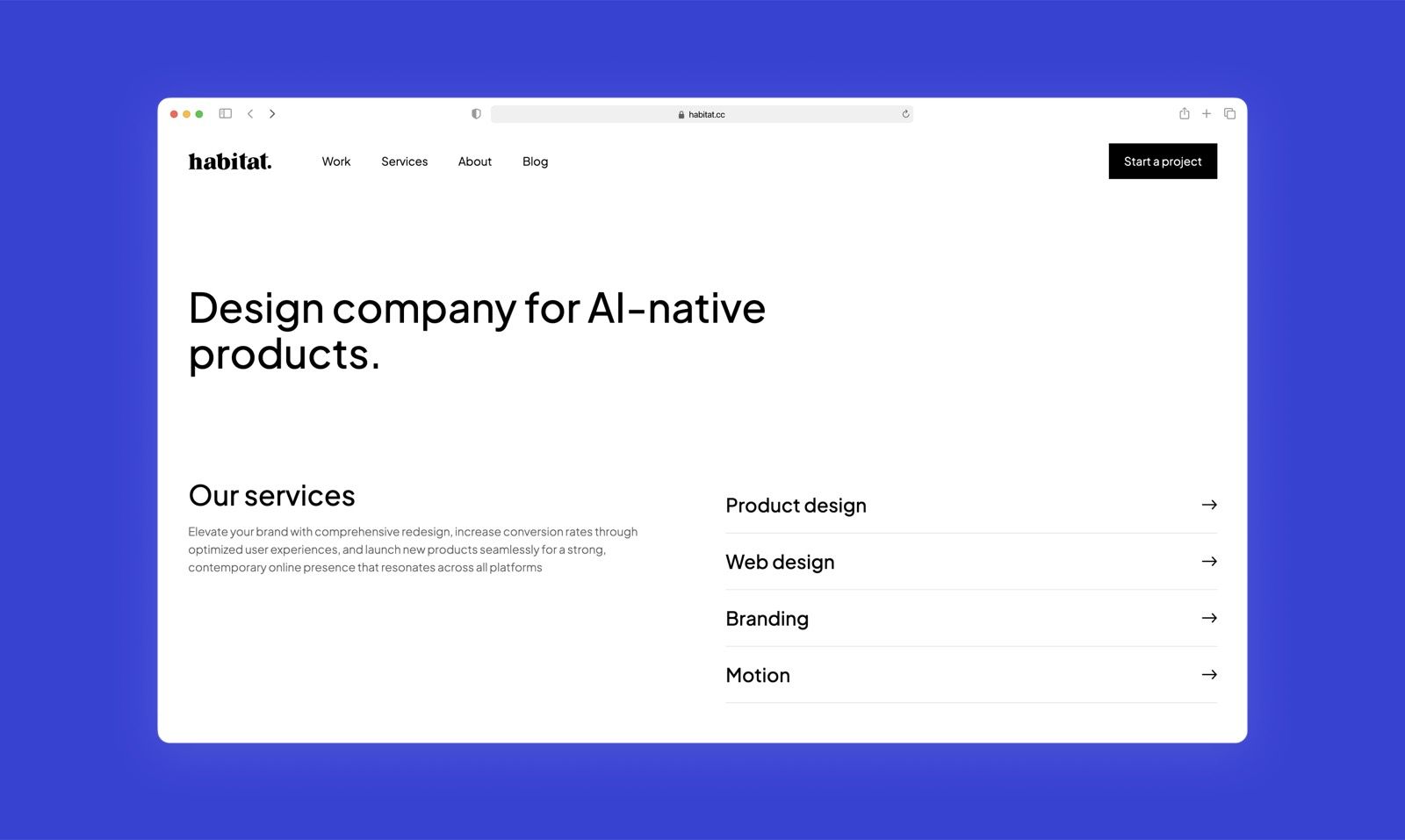
Habitat is a product design agency that works with seed and Series A AI startups. We take on brand, product, and website design into one engagement so the company walks out with a coherent visual language.
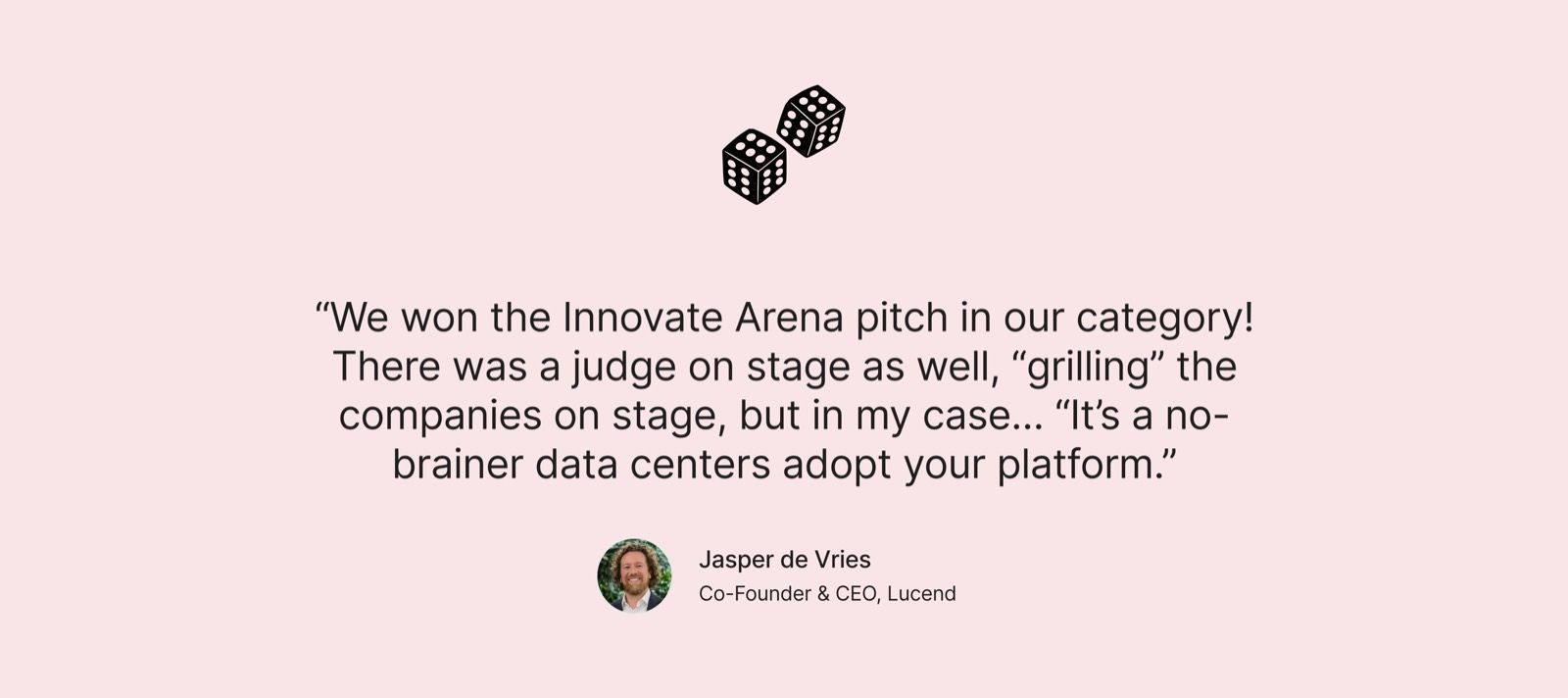
Most founders come to us under deadline pressure: a launch, enterprise demo, or fundraising process. Jasper de Vries was one of them. He was building Lucend, an AI platform for data centers, a first product in its category with no established UX patterns to borrow from. We designed the platform from scratch. When Jasper pitched it at the Yotta Innovate Arena, the judge said exactly what we'd been designing toward: “It's a no-brainer data centers adopt your platform.” Lucend won the category, signed three data centers before launch, raised $3.3M, and was named Amsterdam’s Hottest Startup 2024.
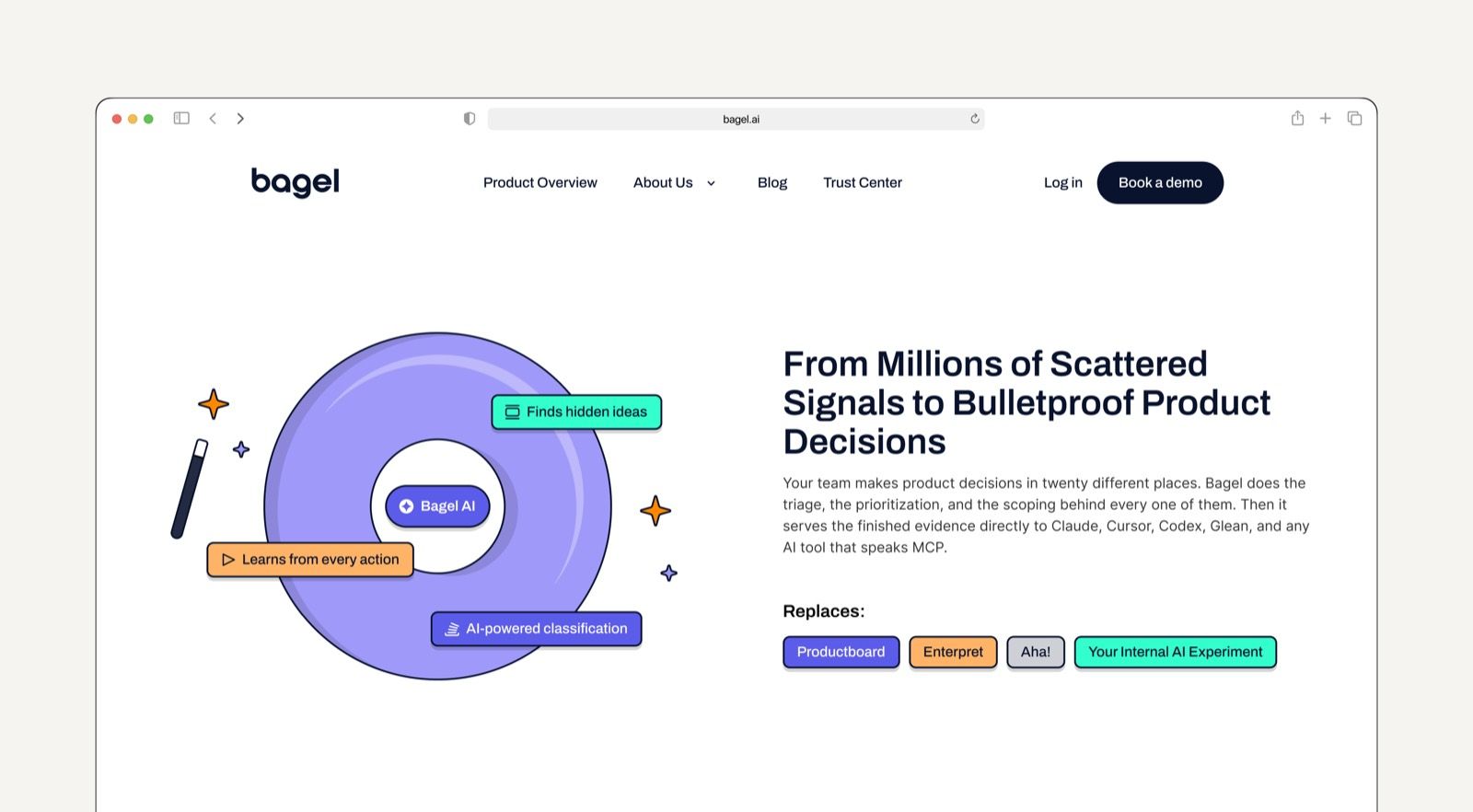
We also move fast. When Bagel AI came in before the conference season needing a new website, we shipped in six weeks and then designed the full launch suite (a pitch deck and co.) built around the new visual identity. Bagel’s $5.5M seed round closed the same month the site launched, with 1,185% user growth in week one.
Our Series A Sprint gets you a pitch deck and landing page in two weeks. Larger engagements start with Blueprint: a one-week strategy phase focused on feature prioritization, messaging, and visual direction. It costs $4,900, which applies toward the total if you continue into a full engagement:
- Prototype by week four,
- Build-ready handoff by week six,
- And Growth Kit with launch materials shortly after.
Engineering gets a design system, an AI frontend in Claude Code or Storybook, and a live website on Framer or Webflow.
Limitation: We're built for seed to Series A. If you're post-Series B with a large internal design team, or you need a dev shop building production backend code alongside the design, we won’t be the right fit.
Start here: Free 48-hour product audit. We go through your product and come back with 3–4 things we'd change and why.
The Gradient: “tiny by design” design agency for regulated industries
If you're building AI for healthcare, fintech, or enterprise operations and you're not under pressure to start next week, The Gradient is worth a look.
- Founded: 2016
- Location: Lviv, Ukraine; London, UK
- Clutch rating: 4.9 (55 reviews)
- Sectors: Fintech, healthcare, edtech, retail
- Pricing: On request; projects typically fall between $20,000 and $50,000
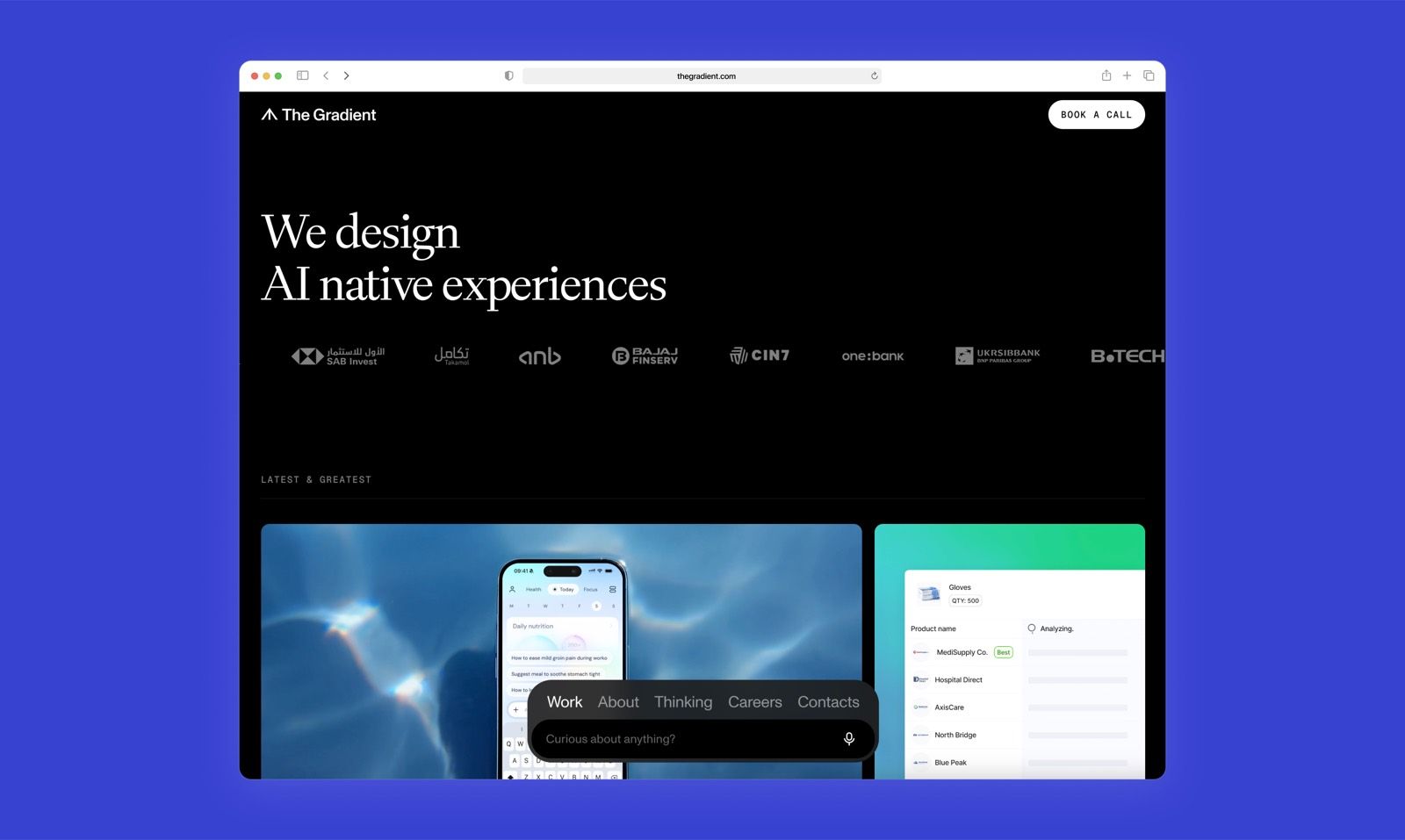
“Tiny by design,” The Gradient takes on fewer clients than most agencies their size, and every engagement is led by a founding partner.
That shows up in how they work. Instead of stopping at concepts or polished UI, they often build working prototypes with real AI models inside them.
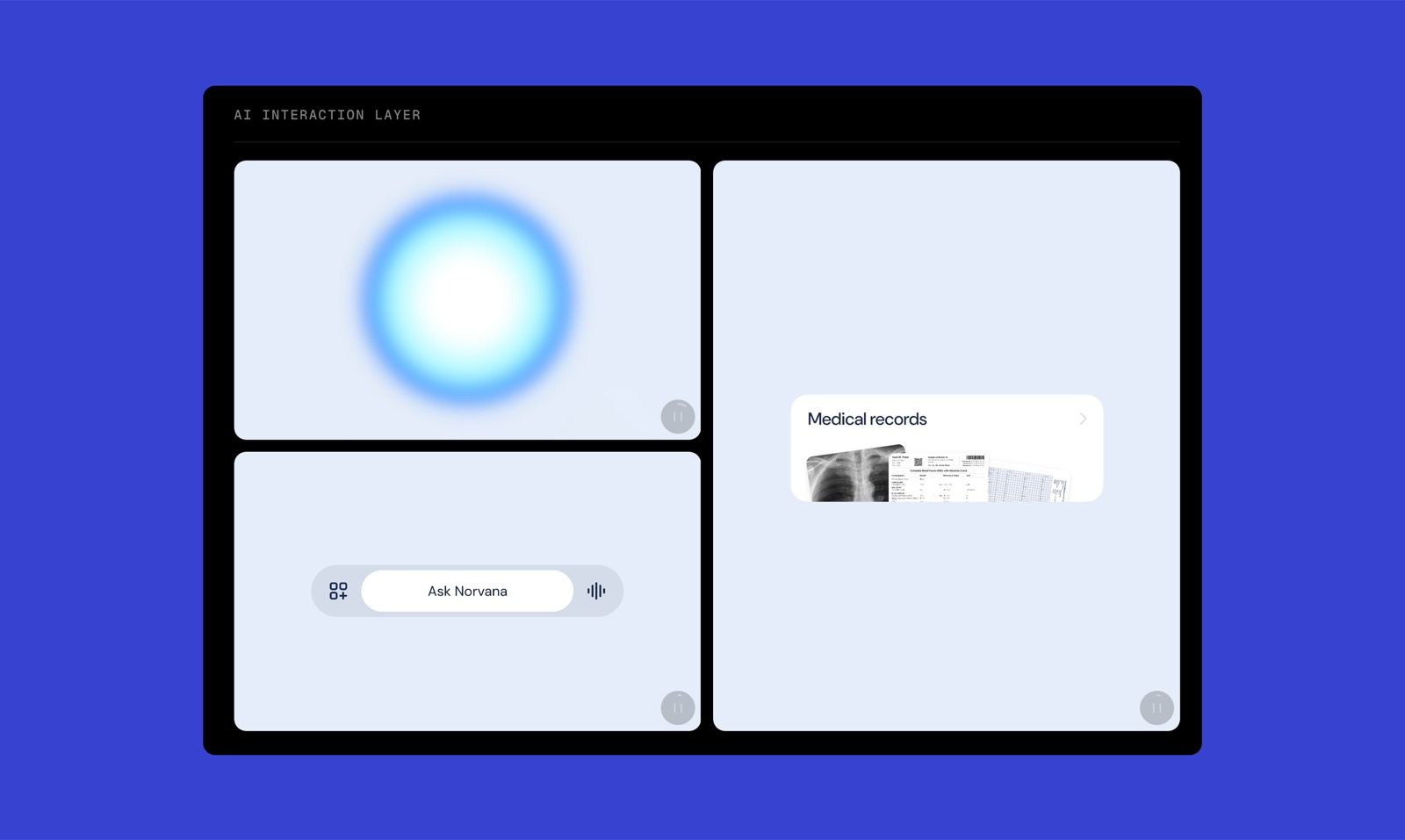
For Norvana, an AI health companion, they delivered a functional iOS prototype in 12 weeks, with voice onboarding, real-time nutrition analysis, and a conversational AI coach. The app now has 70,000+ users, with Malta’s government exploring a potential nationwide clinical rollout.
With Happy Companies, an AI coaching platform, the impact was mostly behavioral: 78% monthly retention and 86% of users reporting improved leadership. And for Lumiere, a video intelligence platform for Hollywood studios, their work was recognized with the UX Design Award 2025 from the International Design Center Berlin (selected from 93 nominations).
Limitation: The Gradient is a small senior team that runs fewer engagements by design. If you need to sign a contract next week and move fast, they probably aren’t the right fit.
Late Checkout: the agency that designed Nike's AI personal shopper
If your product has been around long enough that AI is now threatening to make it feel dated, check in with Late Checkout :)
- Founded: 2020
- Location: Miami, Florida
- Clutch rating: N/A
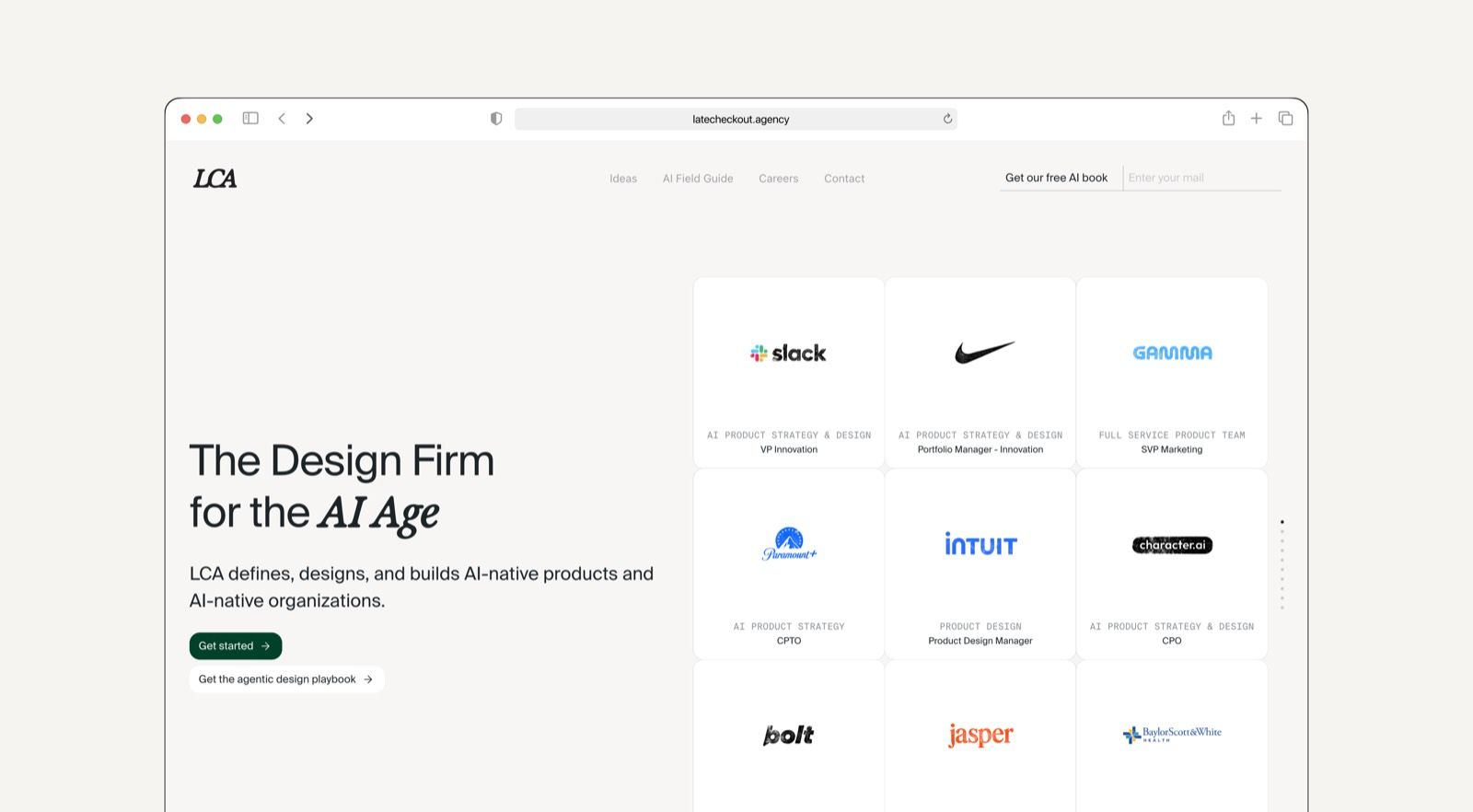
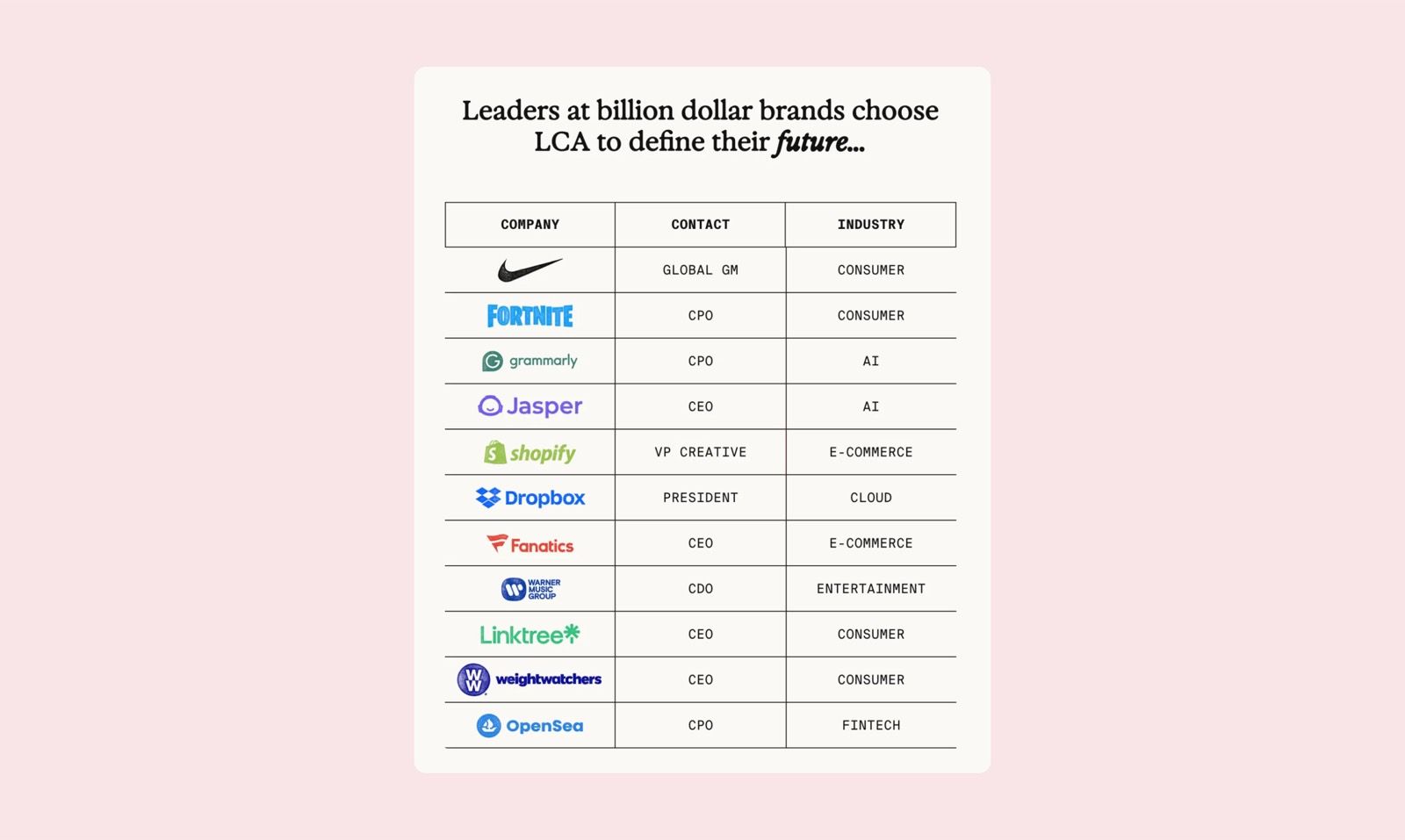
- AI work includes: Slack, Nike, Grammarly, Salesforce, Dropbox, Gamma, Intuit
- Pricing: On request; 30-day sprint as entry point
LCA was founded by Greg Isenberg, previously an advisor to TikTok and Reddit, and Theo Tabah, who was the founding PM at two acquired startups (one by Airbnb). Greg also shares startup ideas in his Greg's Letter newsletter read by 150k+ people.
The pattern across their client roster is consistent: mature products that needed to define how their product should evolve in the AI age. LCA's 30-day sprint (concept to prototype) is the entry point most start with.
For Salesforce, they designed the agentic sales workflow revealed at Dreamforce 2024, going from script to storyboard in two weeks. For Slack, they defined the agentic interaction model. For Nike, they designed an AI personal shopper reimagining how athletes find their fit.
Limitation: LCA's publicly documented work is primarily vision and concept design. If you need shipped product outcomes with measurable metrics, the evidence isn't there yet (at least not publicly). If you're an established company with a budget for strategic AI product thinking, that probably doesn't stop you. If you're a seed-stage founder who needs execution over vision, look at Habitat or Tonik instead.
Grafit: design, Webflow development, and growth marketing for AI startups
Building an AI product is one problem. Getting people to understand what it does in three seconds is another. Grafit works on the second one.
- Founded: 2021
- Location: Warsaw, Poland; Austin, Texas
- Clutch rating: 5.0 (28 reviews)
- Sectors: B2B SaaS, AI startups, developer tools
- Pricing: On request; Projects start at $25,000
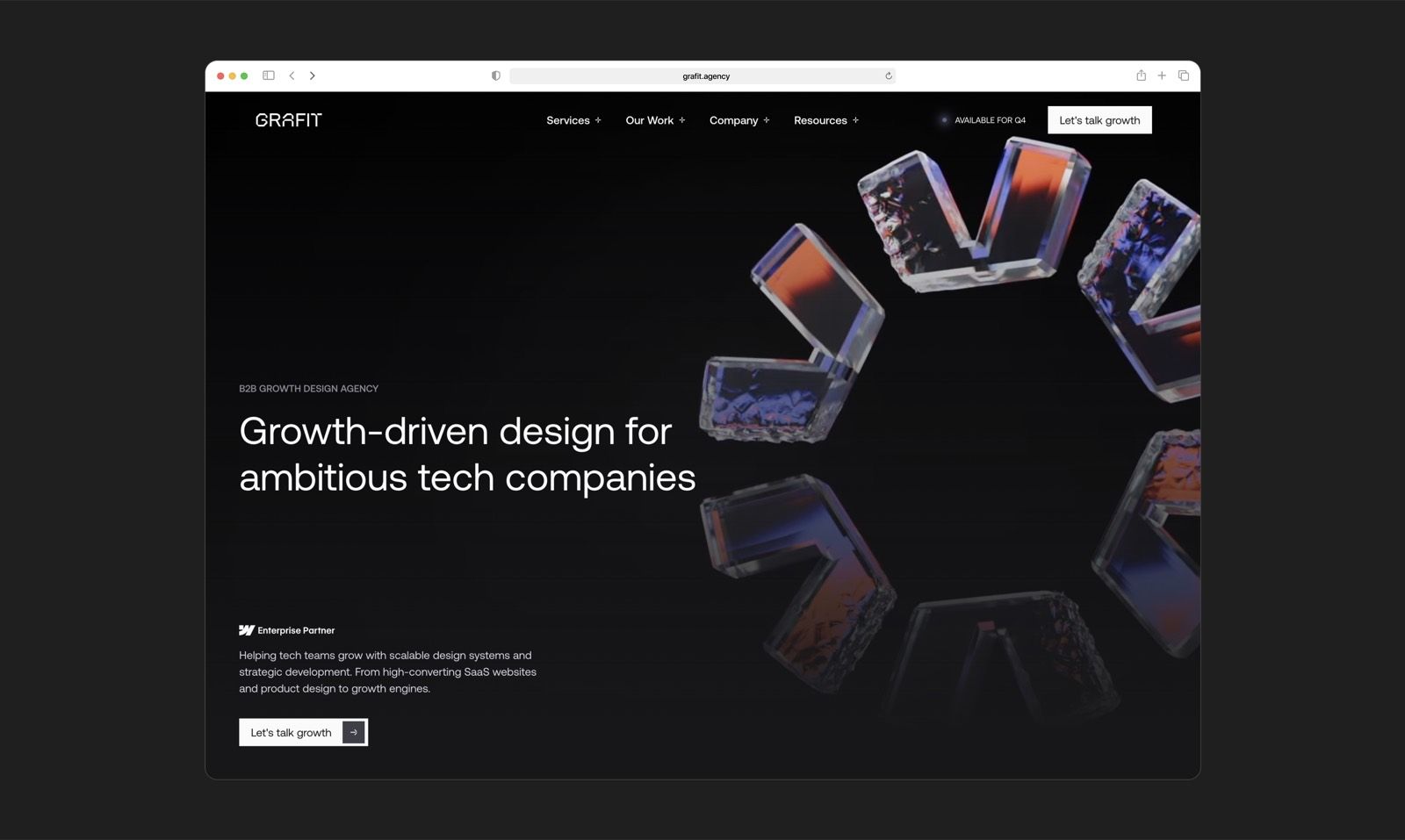
Grafit Agency combines design, Webflow development (they’re a Webflow Enterprise Partner), and growth marketing in one team. They create websites for technically complex AI products, making them understandable to buyers, investors, and users.
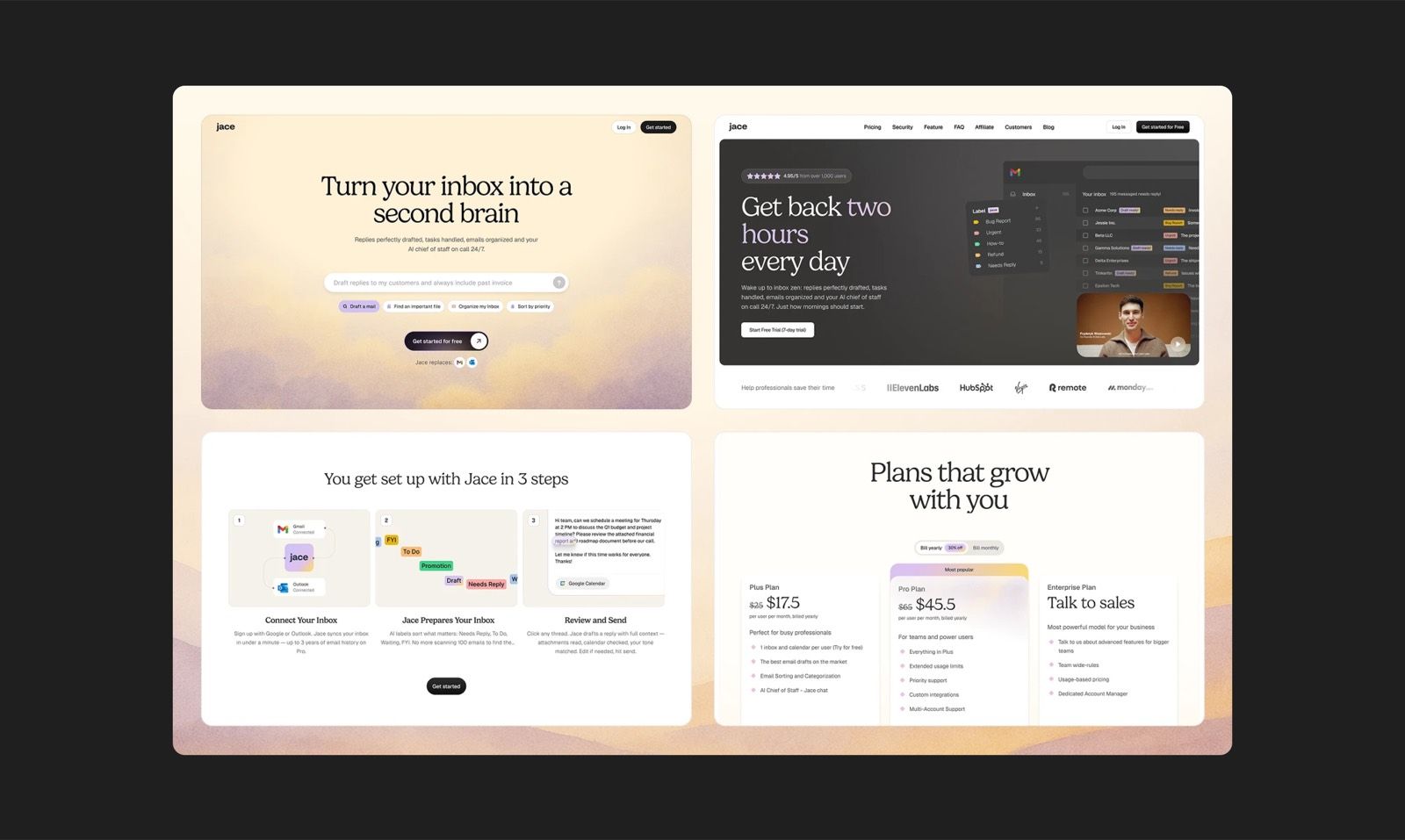
Every AI client they've worked with had both: a strong working product, and the website that sold it poorly. Jace.ai is a good example: an AI email agent with strong retention, and a website that was losing people before they ever tried it. After the redesign, conversions jumped 300% in the first month. The same with Gentrace, an AI observability platform. They came six weeks before their $8M Series A announcement. Grafit shipped a new brand and site in time, with 300% traffic and 3x signup increase following.
Limitation: Grafit's AI work is website, brand, and growth design, not product UX or interface design for AI features. If you need someone to design the AI product itself, look at The Gradient, Habitat, or Together instead.
Heartbeat: brand and product design systems for AI-adjacent fintech and Web3
If you're building an AI product in fintech, Web3, or SaaS and need design that scales with the company, check out Heartbeat.
- Founded: 2011
- Location: Fully remote
- Clutch rating: 4.9 (7 reviews)
- Sectors: Fintech, AI, Web3, SaaS
- Pricing: On request; projects typically fall between $10,000–$50,000
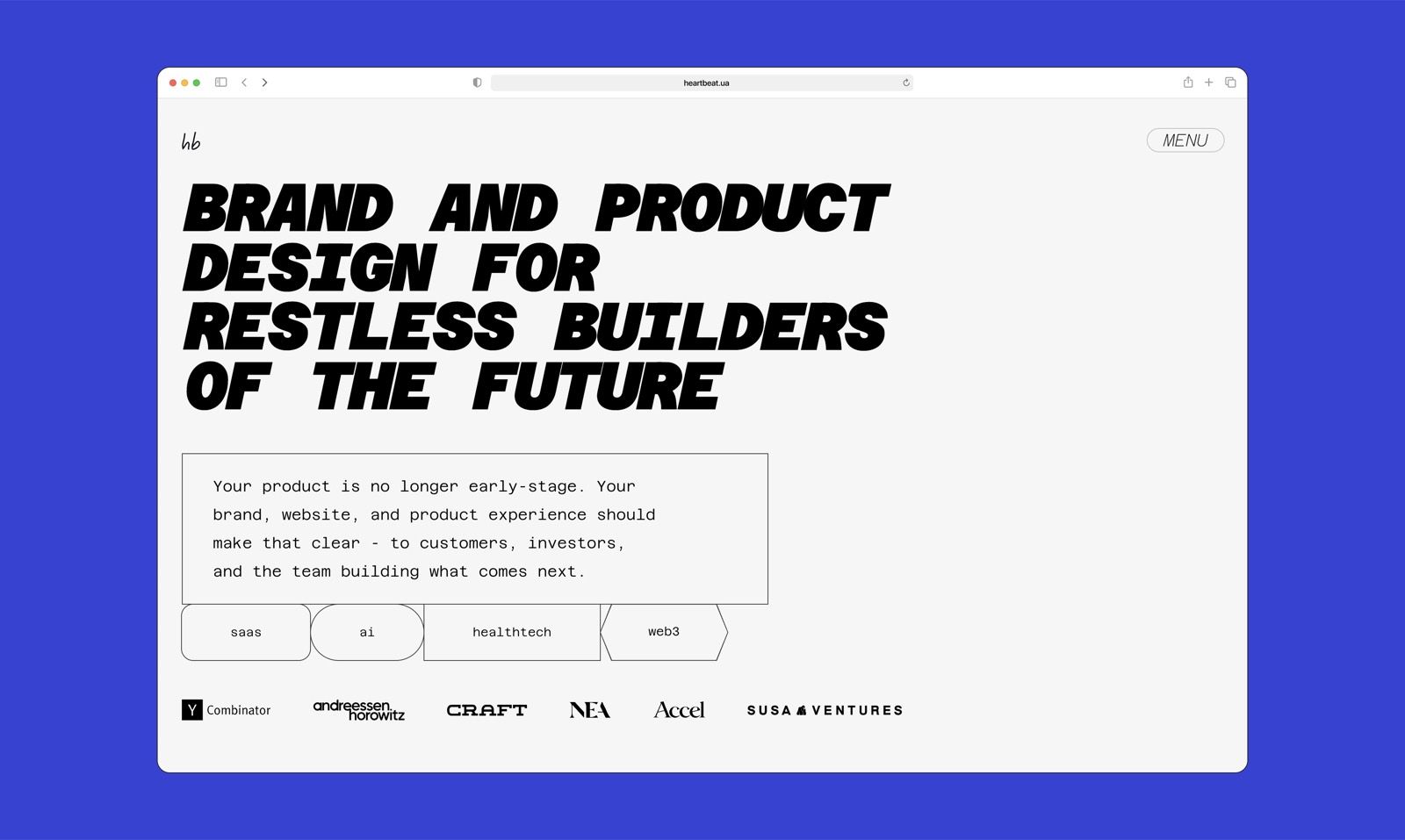
Heartbeat runs seven senior designers, with an average of eight years working together — and no account layer between you and the people doing the work. Their output is a design system your team can extend after the engagement ends. .pulse, their own open-source design system published on GitHub, is a working example of how they think about production-grade design systems.
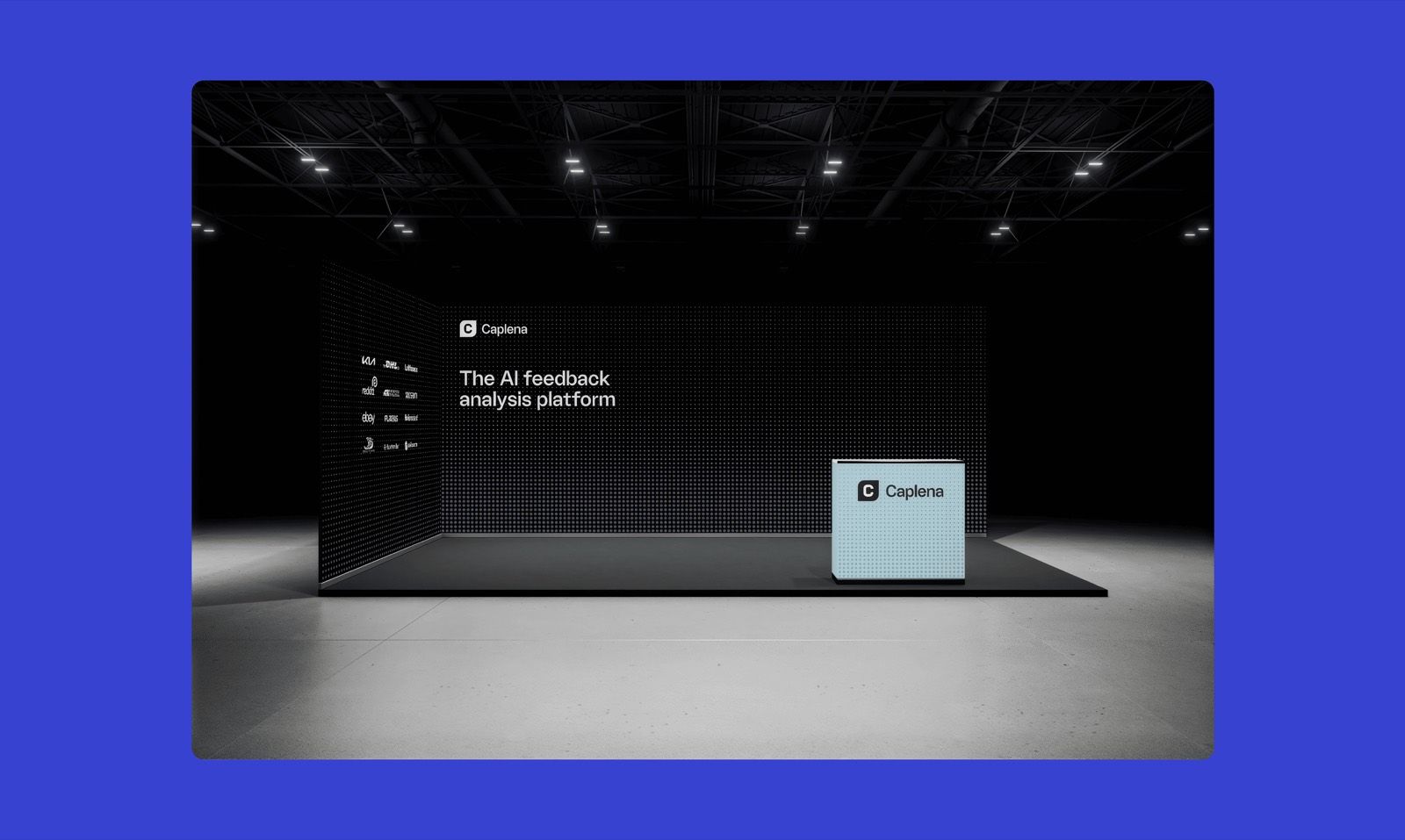
Their AI work reflects their systematic approach. Caplena is a Swiss AI feedback analytics platform used by DHL, Lufthansa, FlixBus, and IKEA: an ETH Zürich spinoff with 50 million+ verbatims processed. Heartbeat delivered a full end-to-end redesign: UI kit, product experience, brand identity, marketing materials, trade show assets. Corti, an AI healthcare lab with $100M raised and 100 million+ patient interactions annually through the NHS, came to them for a one-month visual sprint: extending and refining the brand system to carry the company through its next phase.
Limitation: Their AI work leans toward brand and product design. If you need a fast website launch or conversion-focused growth design, Grafit or Habitat is a more direct fit.
Together: brand, product, and website for AI companies selling into enterprise and institutional markets
If you're building an AI product for banks, hospitals, or enterprise procurement teams (that is, buyers who need to trust a system before they'll touch it), Together can be your fit.
- Founded: 2018
- Location: London, England
- Clutch rating: 4.9 (34 reviews)
- Sectors: B2B tech, fintech, enterprise SaaS
- Pricing: On request; from $25,000; $150–199/hr
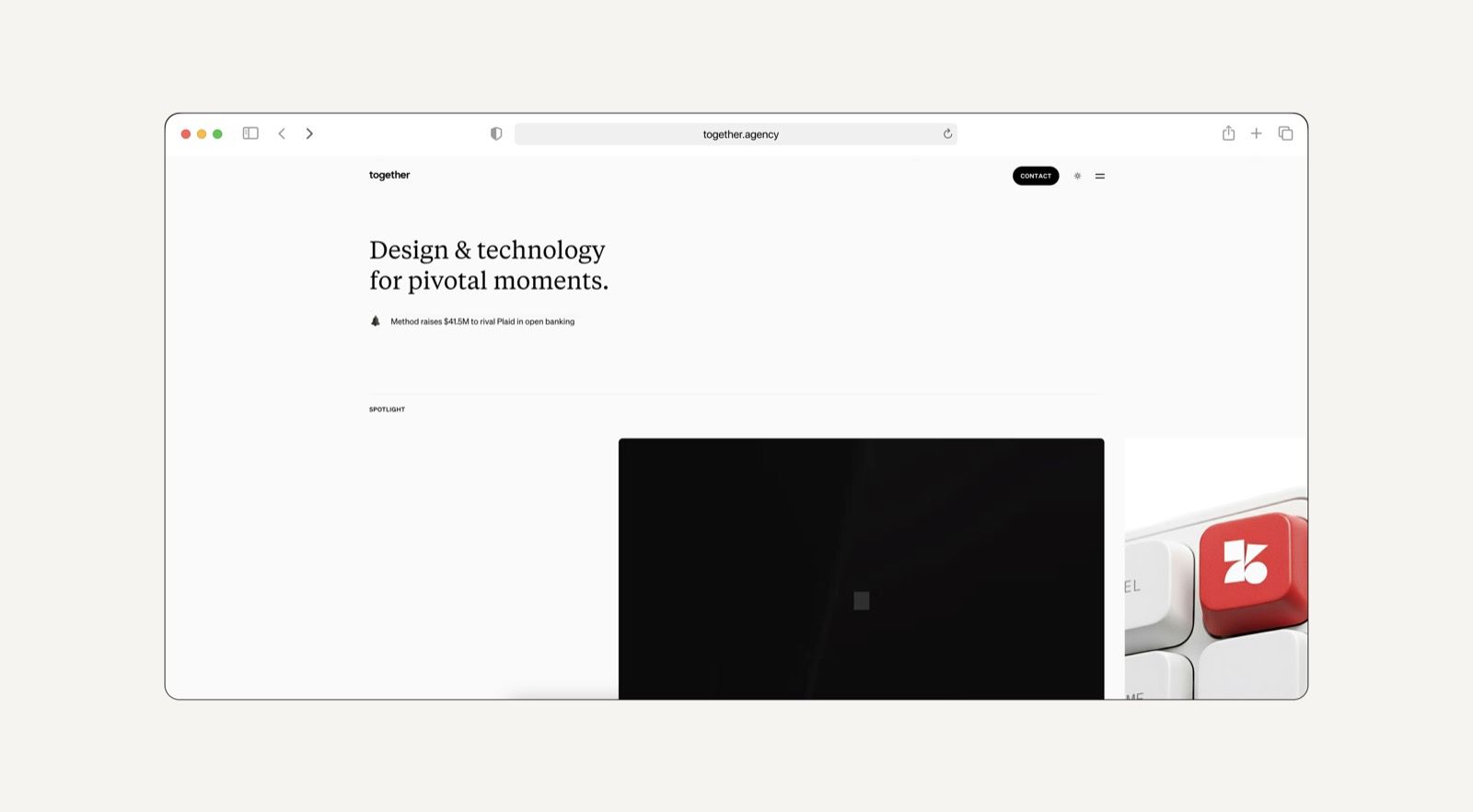
Together is a full-service team of designers, writers, strategists, and engineers. They split their AI work into two tracks: AI Native (companies building AI products from scratch) and AI Enabled (established SaaS companies weaving AI into existing products).
Their AI client roster spans investment research (Endex), AI/ML infrastructure (Skypilot), AI safety (Constellation), financial modelling (TerminalX) — domains where the people using AI can't afford to get it wrong.
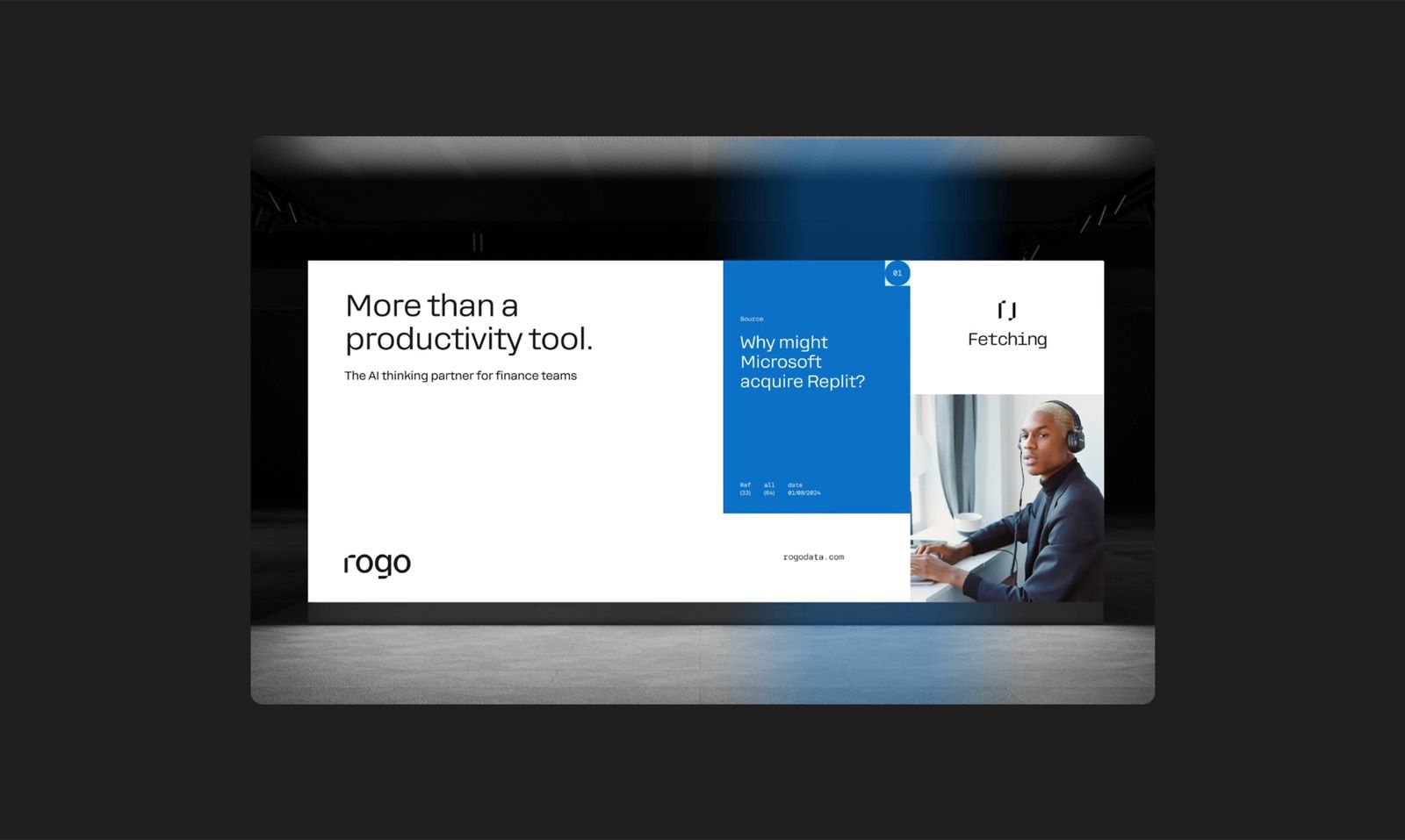
The clearest example of how they help AI companies is Rogo, an AI research platform for Wall Street banks that had early customers but zero public presence. With the brief to "make a stealth-stage startup look like a peer to Bloomberg and Refinitiv on day one," Together built everything from brand identity to product UX. The Rogo Frame (a design device they created) worked both as a brand element and a UI component. Since launch: $18M Series A, $50M Series Bl, and becoming OpenAI's premier finance partner.
Limitation: Projects start at $25,000, with their full-stack work (from positioning to product UX) running higher. Together may not be the right fit for early-stage founders without a budget for a comprehensive engagement. If you need one piece (just a brand refresh or only a website), consider other agencies on this list.
tonik: 0→1 brand, product, and website for pre-seed AI founders
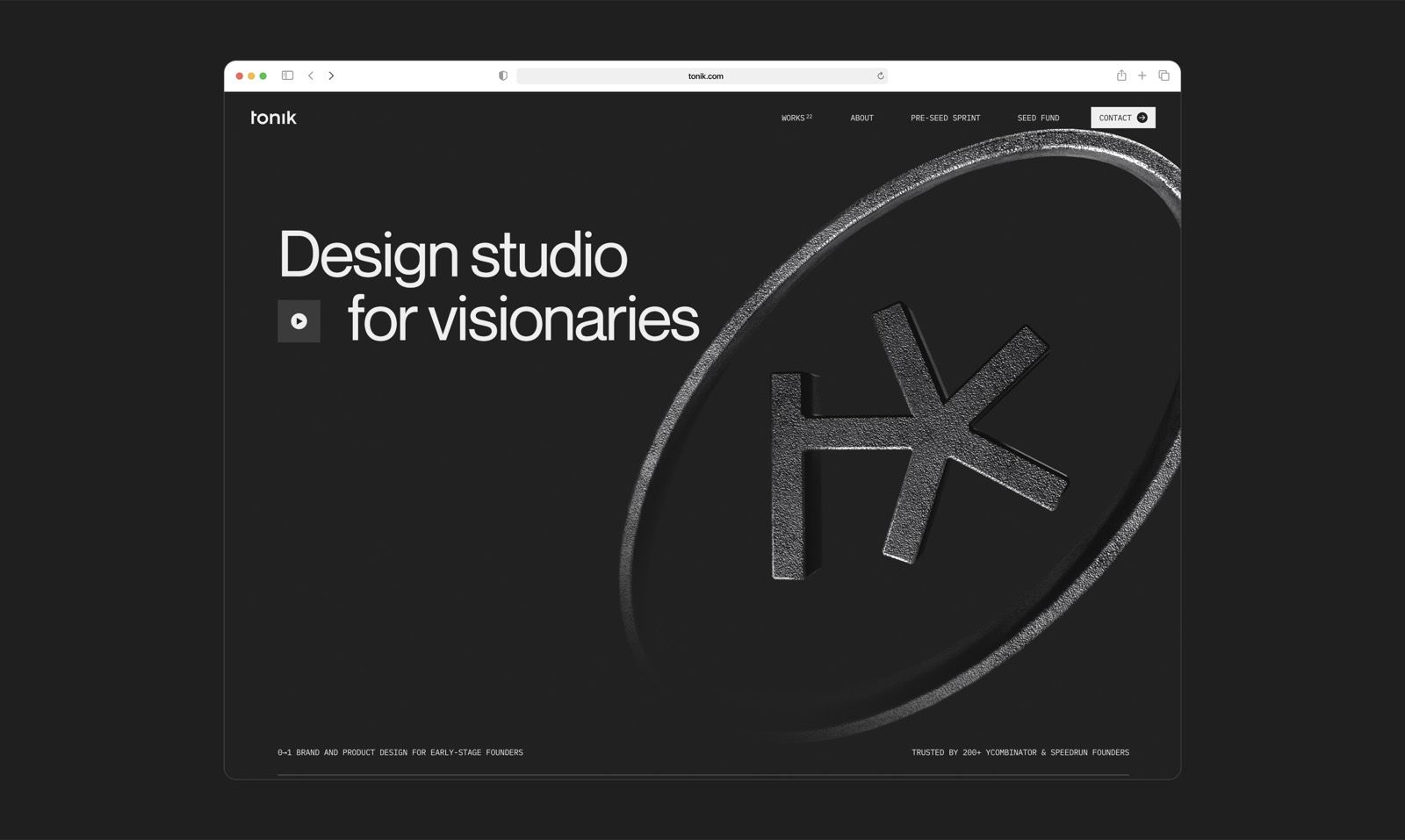
If you’re a pre-seed or seed-stage AI founder who needs a brand, product, and website design done fast, check out tonik.
- Founded: 2007
- Location: Poznań, Poland
- Clutch: 4.9 (36 reviews)
- Sectors: B2B SaaS, dev tools, deep tech
- Pricing: From $10,000; Liftoff Sprint — $20,000 base, $39,500 with prototype
tonik has been working with early-stage founders for 18 years, so when the AI agent wave hit, they already knew the people building it. LangChain, Letta, Guardrails AI, Wordware are all developer-tool and AI agent companies that fit the same kind of technically ambitious founder they’ve worked with for years.
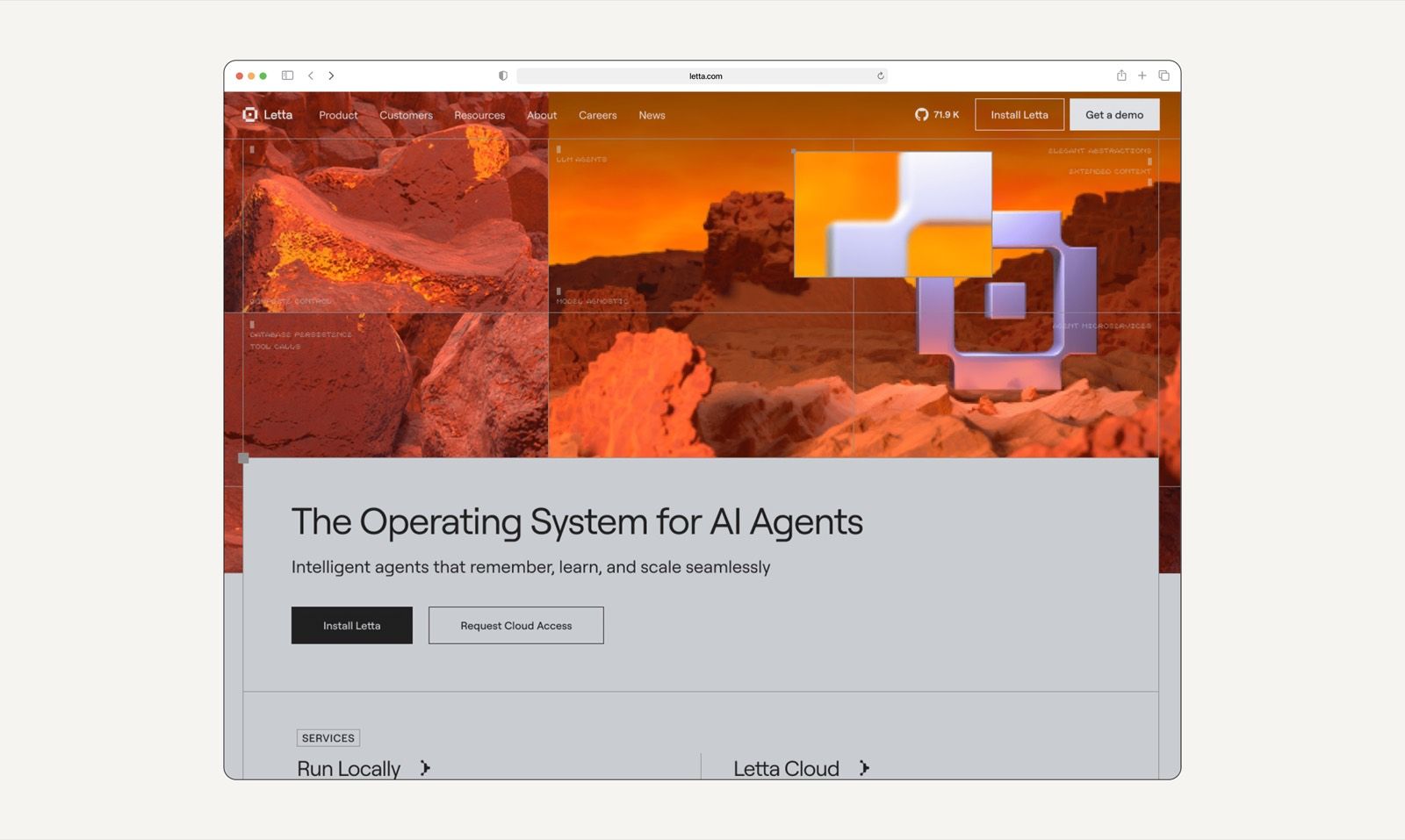
Take Letta, a YC-backed AI agent platform. They came to tonik as a blank slate. Tonik handled their branding, product, and website. LangChain brought them in for Interrupt, their 800-person AI agents conference in San Francisco, where tonik built everything from the event identity to the merch.
If you're pre-seed, tonik’s Liftoff Sprint is worth a look: landing page, investor deck, and clickable Figma prototype in seven days, flat $20,000, or $39,500 with prototype. They also run a seed fund and sometimes invest in the founders they work with, not just design for them.
Limitation: Tonik is built for the 0→1 moment. If you're post-seed with a growing team that needs an embedded design partner or a scaling design system, they're not structured for that. Their Liftoff Sprint takes two founders per month, so availability is limited.
Eleken: dedicated UI/UX design for AI SaaS teams, on a monthly subscription
If your AI product is growing faster than your design team, and hiring feels like too much commitment for where you are right now, Eleken built their whole business model around helping with that.
- Founded: 2016
- Location: Kyiv, Ukraine; Newark, Delaware
- Clutch: 4.9 (122 reviews)
- Sectors: SaaS, fintech, healthcare, data
- Pricing: $3,799/month part-time, $5,999/month full-time, 3-day free trial
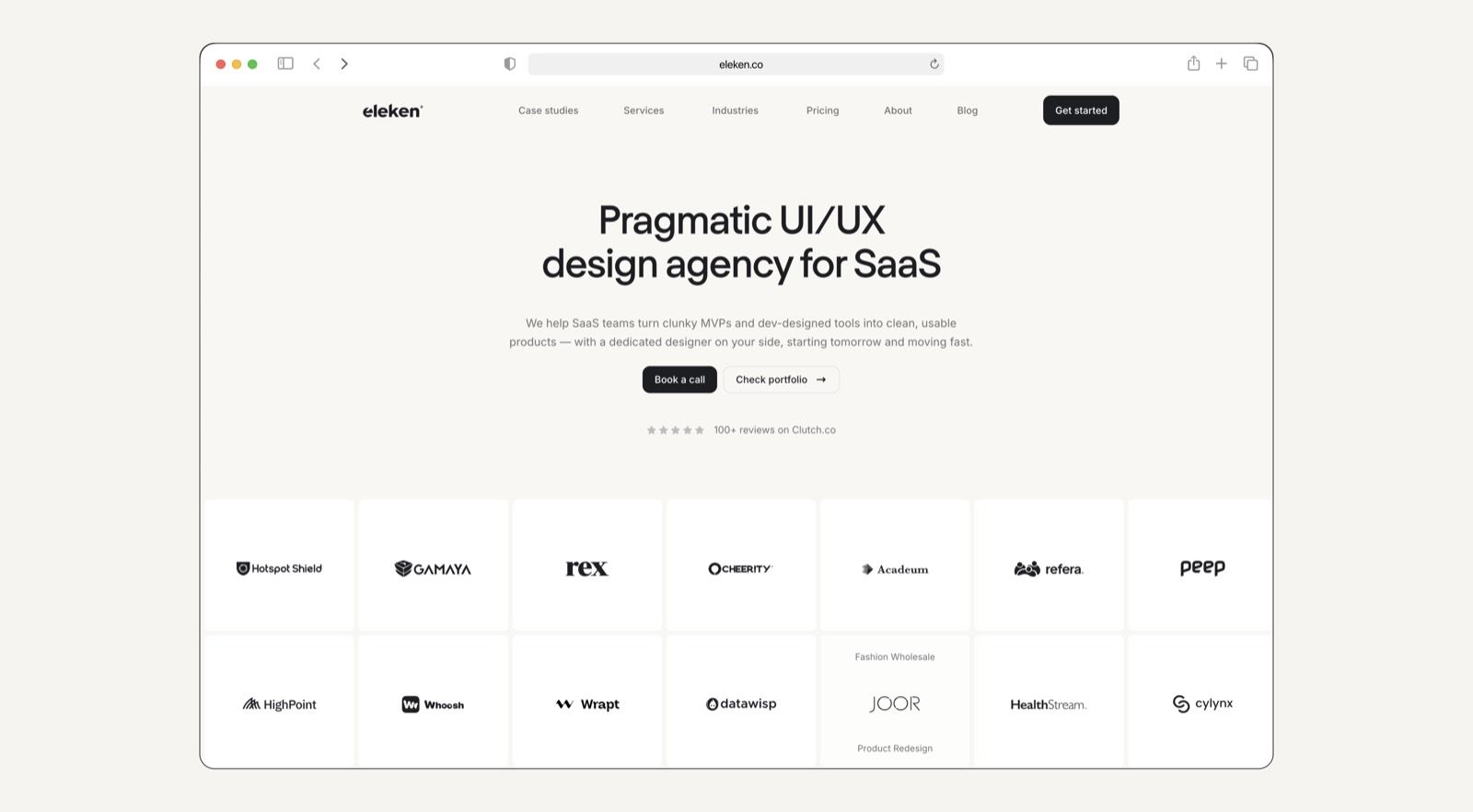
With Eleken, you subscribe to a designer who embeds in your team. You can start next week, pause between sprints, and scale up when the roadmap gets heavy. Every designer goes through a three-month internal bootcamp before touching a client project, and every engagement is backed by a UI lead, UX lead, and Head of Design reviewing the work. You talk directly to your designer, with no project manager in-between.
Their AI work is specifically product UX: the interfaces, flows, and interaction patterns of AI products themselves. They've designed for AI systems where users need to understand what the AI is doing, correct it when it's wrong, and trust it enough to act on its outputs. Zaplify (now Andsend) doubled activation rates after Eleken redesigned their AI sales product's UX. Aampe, an AI marketing platform, raised $18M with Eleken's product design work behind them. Webcrumbs, an AI frontend tool, went viral on Product Hunt.
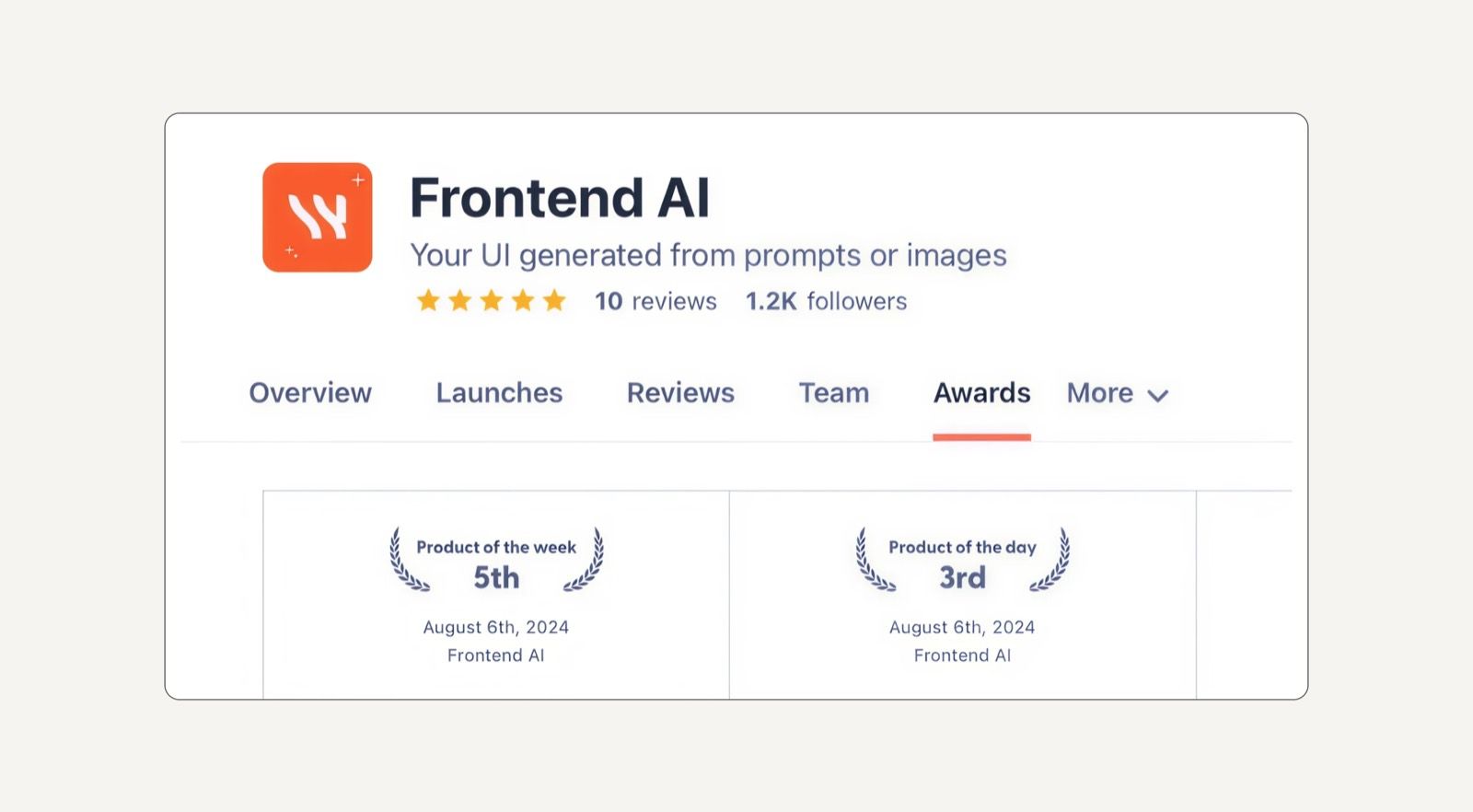
With 122 Clutch reviews, they're also the most independently verified agency on this list.
Limitation: Eleken is product UI/UX for SaaS only. They don't do branding, marketing websites, or development. If you need to move quickly with both brand and product design, check out Habitat or Grafit instead.
Which AI design agency is right for your situation
Rather than ranking all eight, here's how to narrow your choice down based on where you are right now.
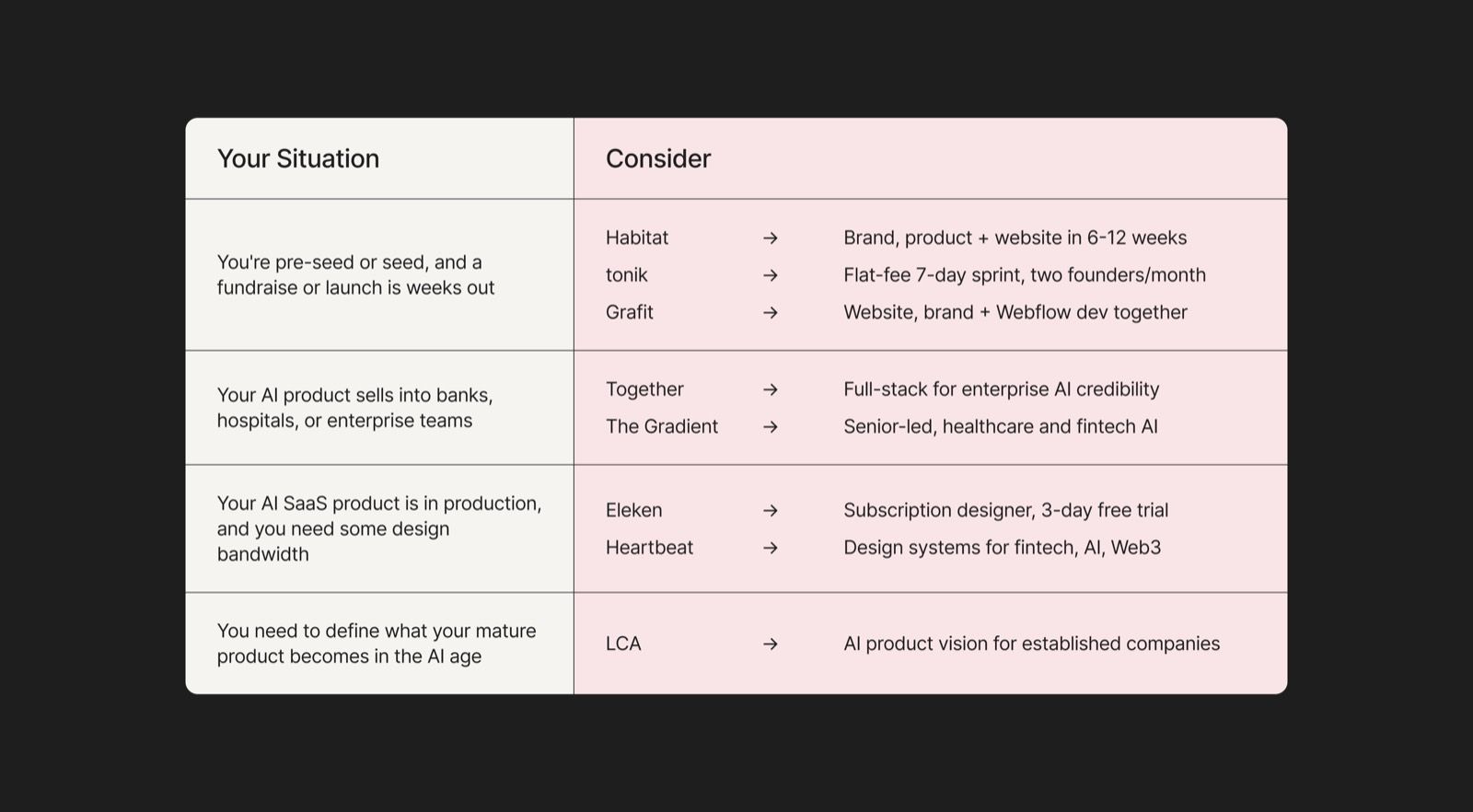
From there, scroll up to their entry, check the limitation, and ask to see work on your specific type of problem.
Before you call anyone on this list
The best AI design agency for you is usually the one that has already worked on your kind of problem before, and not just “AI” in its abstract form.
Before you reach out to anyone, remember to ask a few specifics:
- Have they actually designed AI products like yours (copilots, AI workflows, agentic systems), or is their “AI portfolio” mostly branding and landing pages?
- What does week one look like? Are they showing strategy, product thinking, and real direction quickly, or starting with a 3-week discovery phase?
- Who will you work with day to day: the senior staff you met on the call, or a separate delivery team after kickoff?
If Habitat already feels like the kind of team you’re looking for, we’d be happy to talk.
Either way, we hope you’ll find a team that understands your space and can do your AI product justice.