Skip to content
Xweather

Redesigning Xweather’s
weather intelligence website

Services
Industry
Weather intelligence
Timeline
4 months
Reusable sections
77
Pages and stories migrated
368
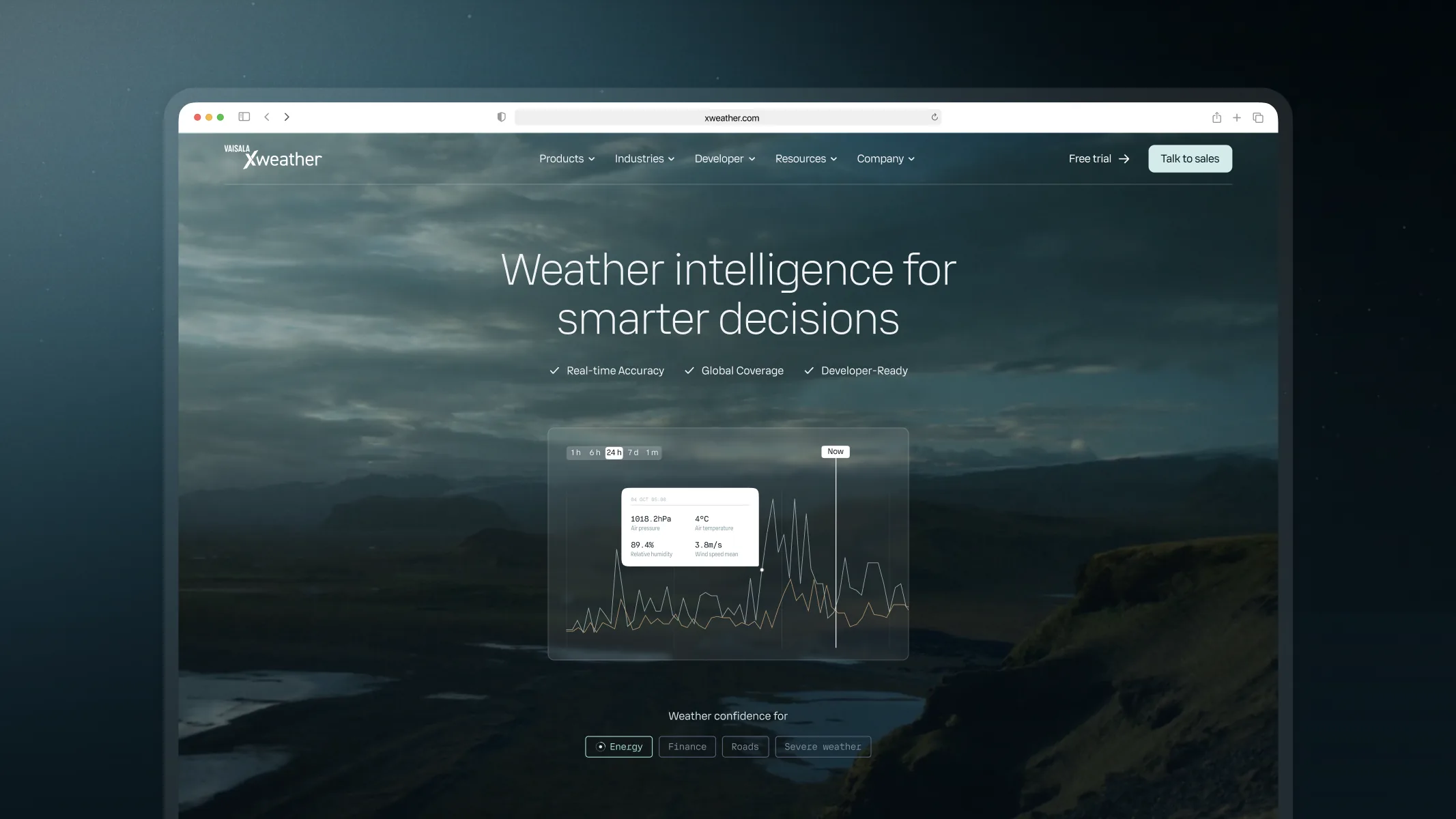
The Xweather homepage, “Weather intelligence for smarter decisions”, in a browser

Ask your AI about this project

Get a summary and see what could work for your product.

The challenge

Xweather, a Vaisala brand, provides weather data, APIs, and intelligence for developers and enterprise teams. The company says its services support 40% of Fortune 100 companies. Its website had outgrown its navigation and publishing tools. Habitat redesigned the structure and visual system; Focus Reactive rebuilt the site on Next.js and Storyblok.
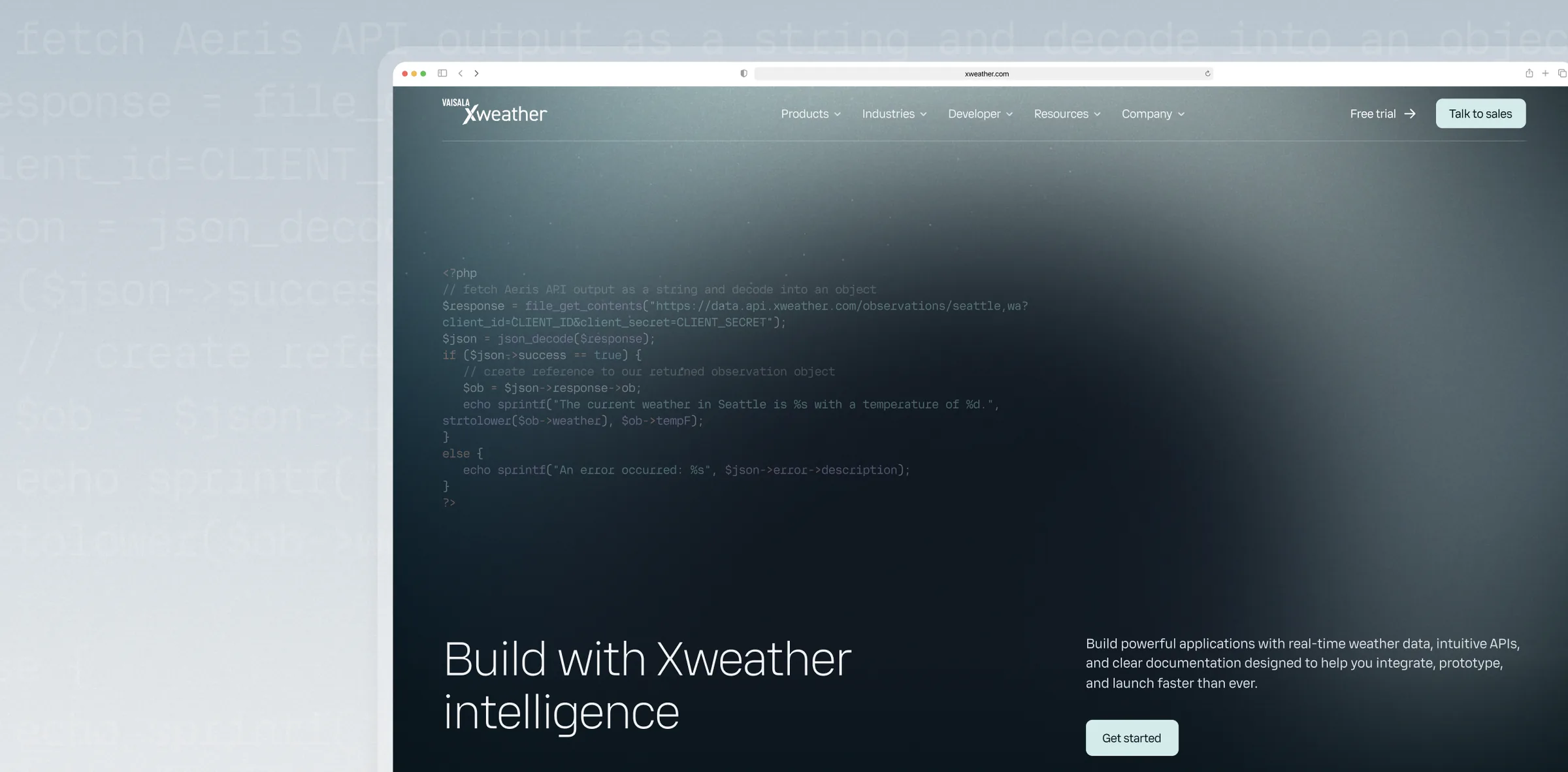
The Xweather developer page, “Build with Xweather intelligence”

A clearer path through the product range

A content audit, competitor review, and industry research shaped the new information architecture. We organized product information and developer resources around different visitor needs, with clearer routes to APIs, documentation, and enterprise solutions.
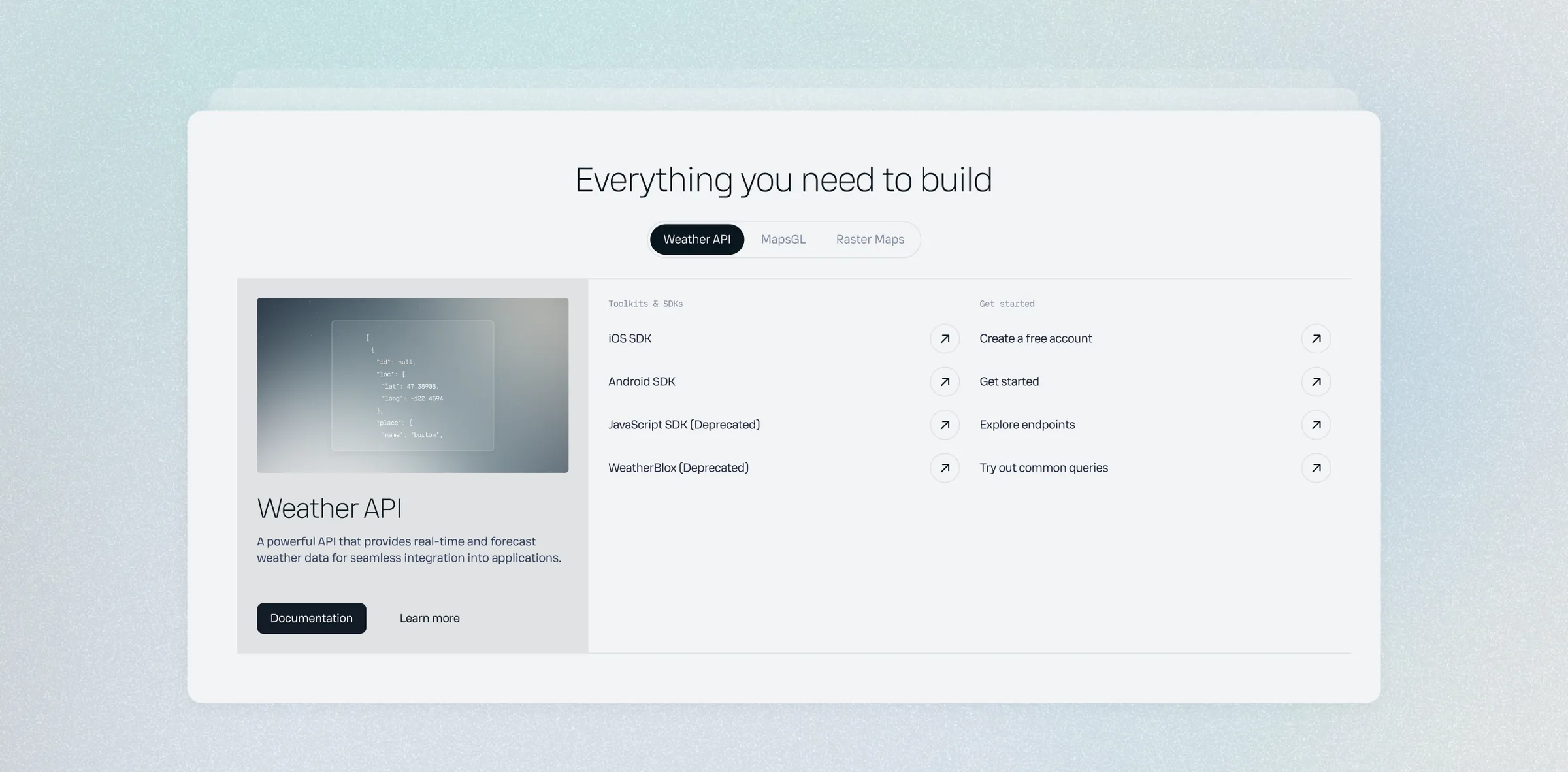
The “Everything you need to build” section with Weather API documentation links

A design system in Figma

The website design system brought page layouts, UI components, and visual rules into a shared Figma library. Data visuals and motion connected technical weather products to their use cases, giving product and developer pages a consistent visual language.
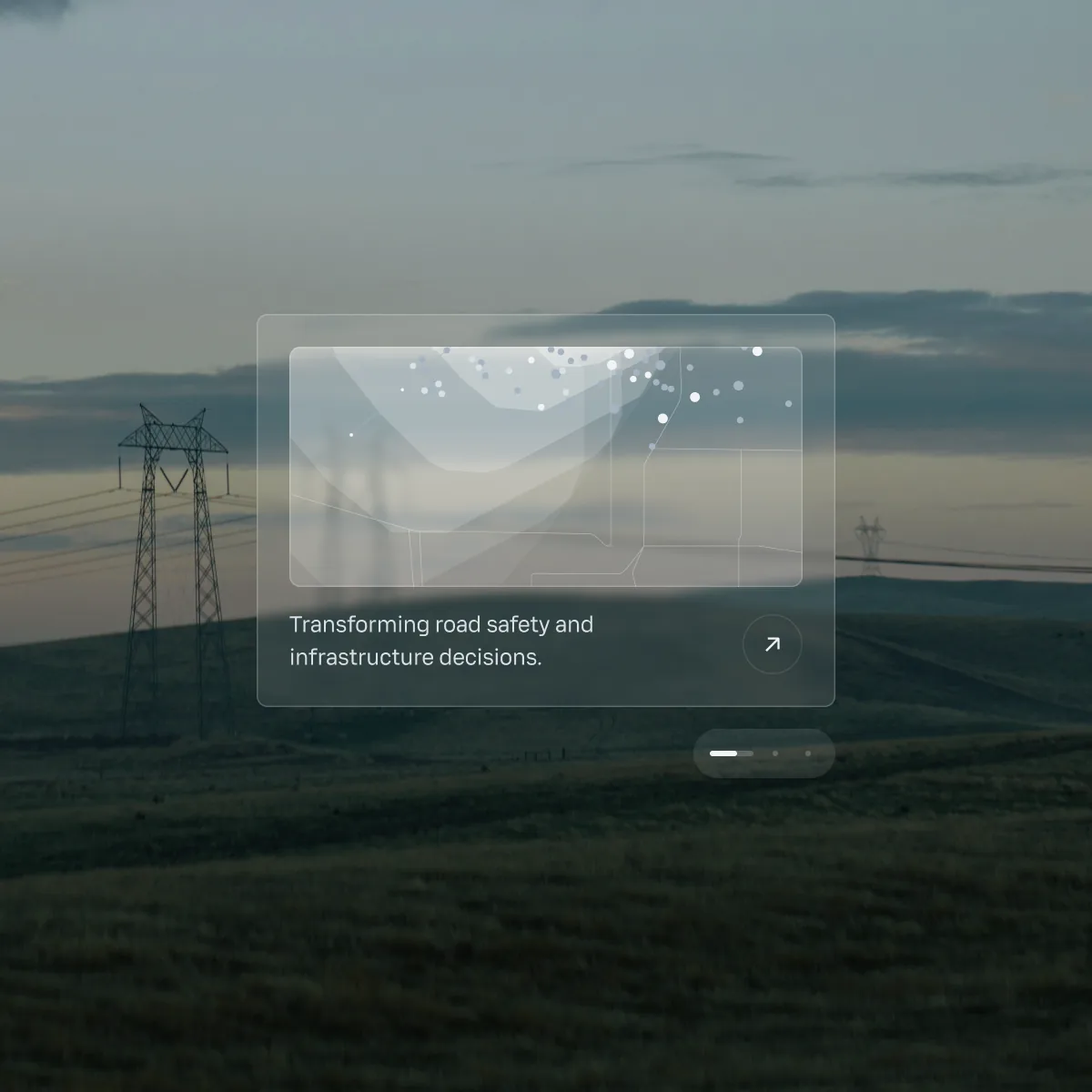
A road safety widget over a landscape with power lines
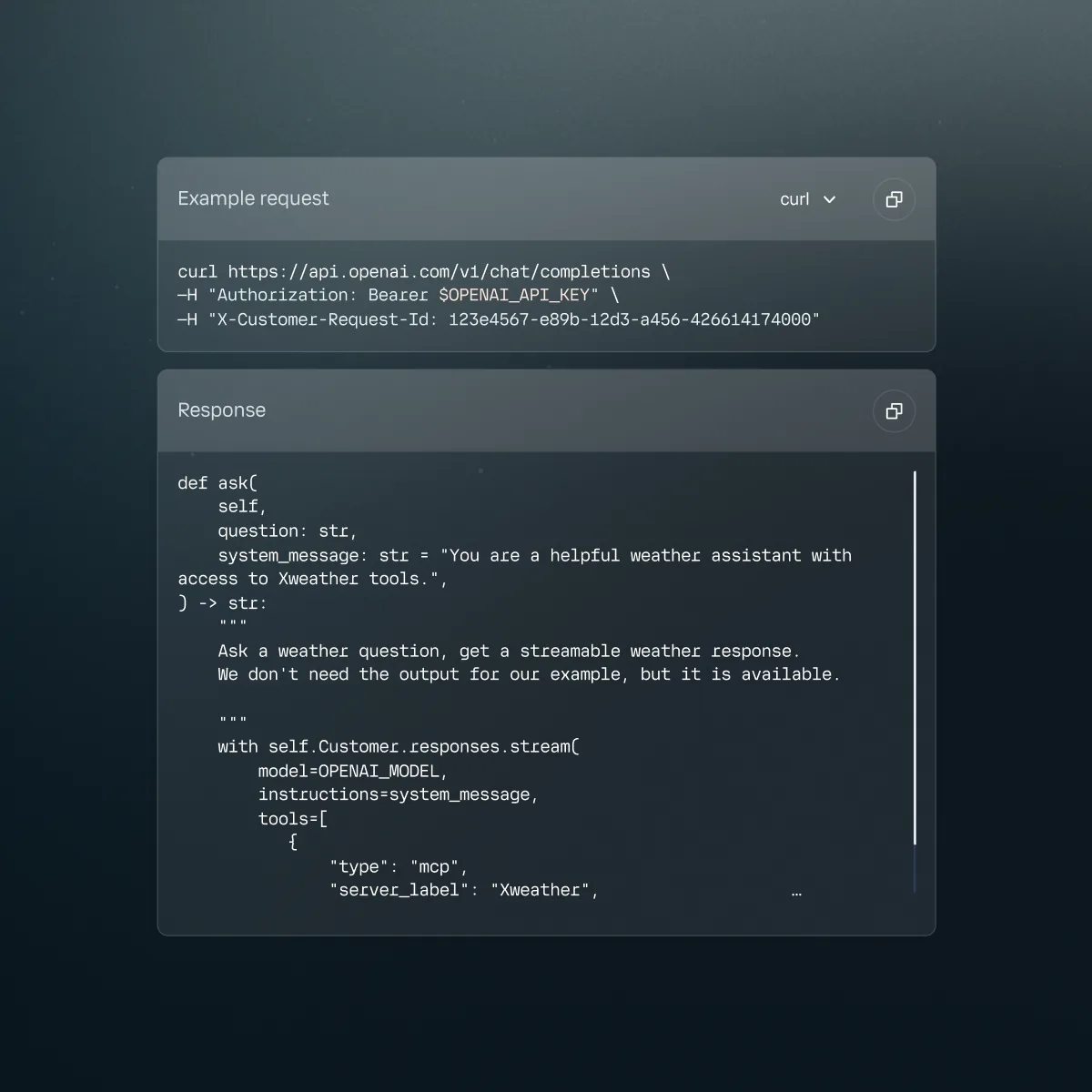
An API request and response in a code panel
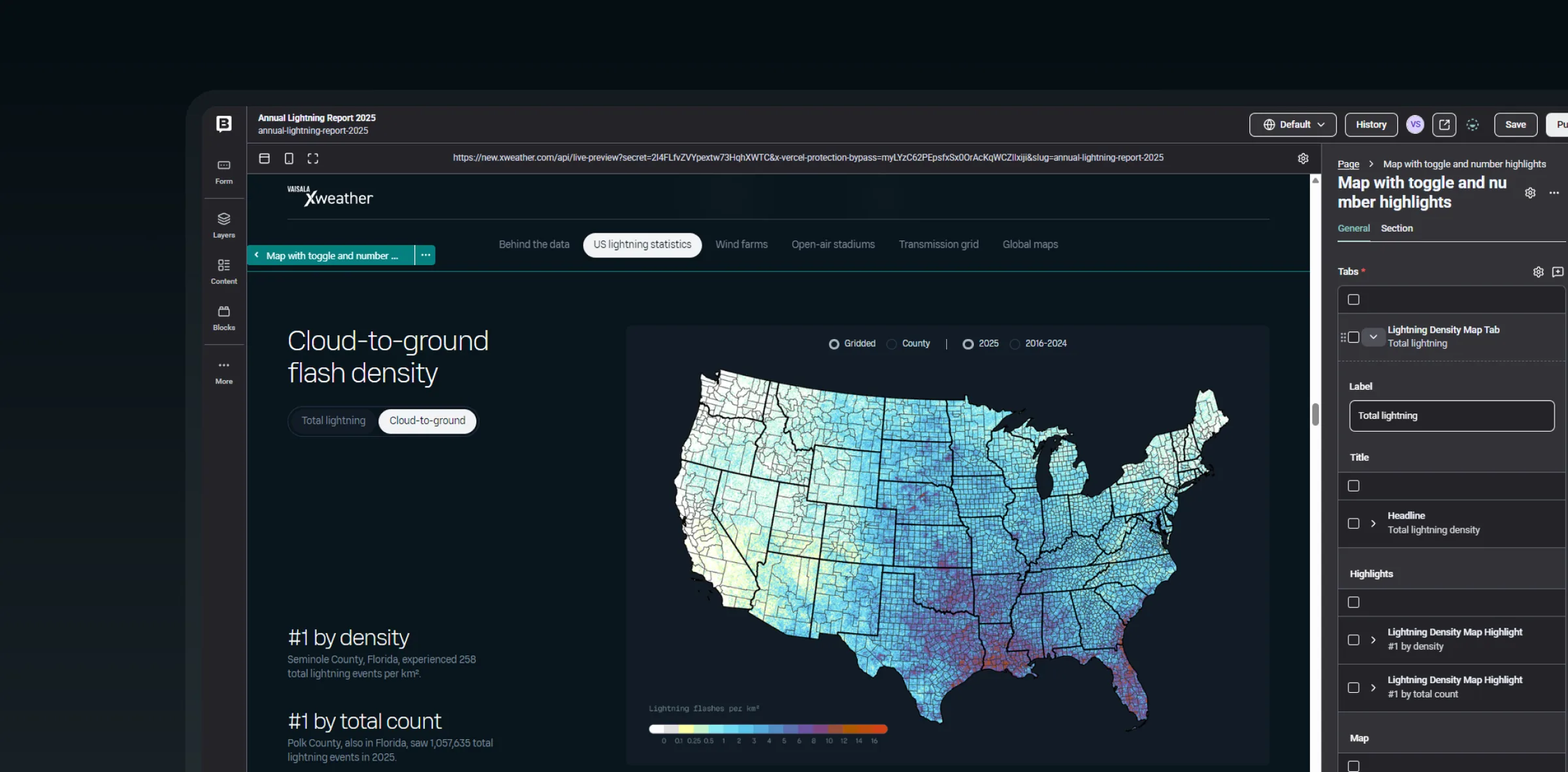
A cloud-to-ground lightning density map of the United States

From Figma to 77 Storyblok sections

The redesigned site uses 77 reusable page-builder sections in Storyblok, with Next.js powering the frontend. Editors can assemble pages and manage product visuals directly in the CMS. The migration covered 368 pages and stories.
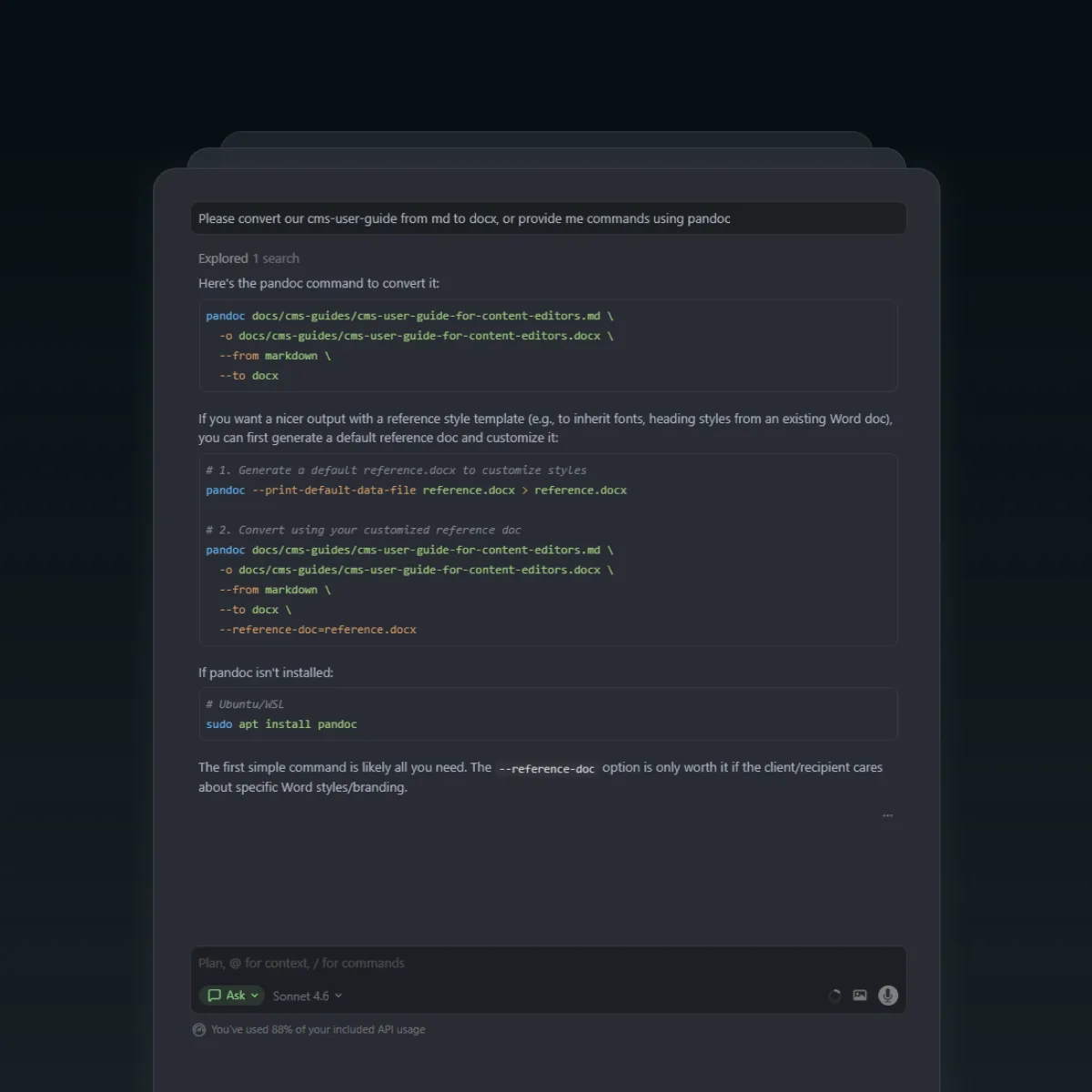
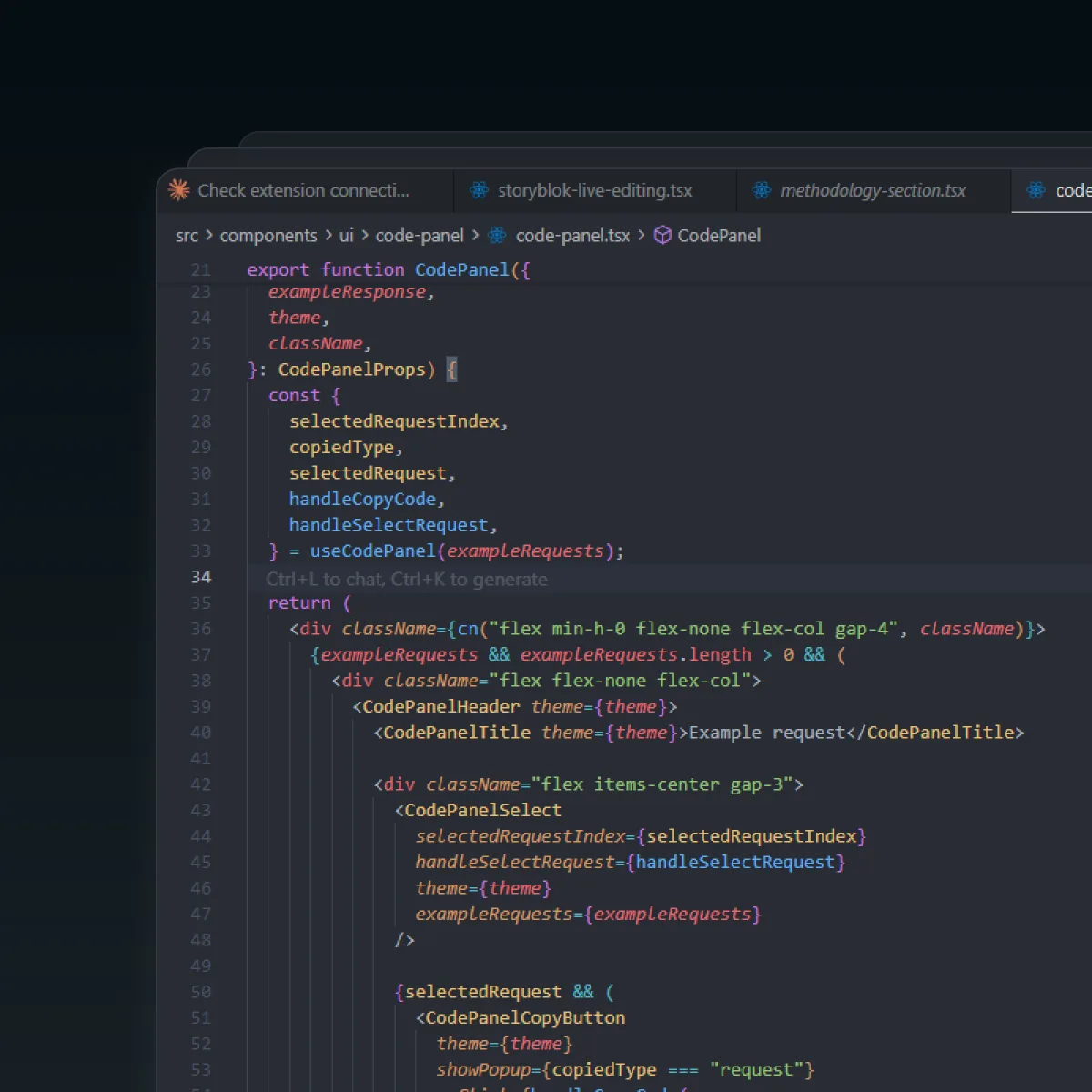
A code example module from the new site
A React component built from the design system
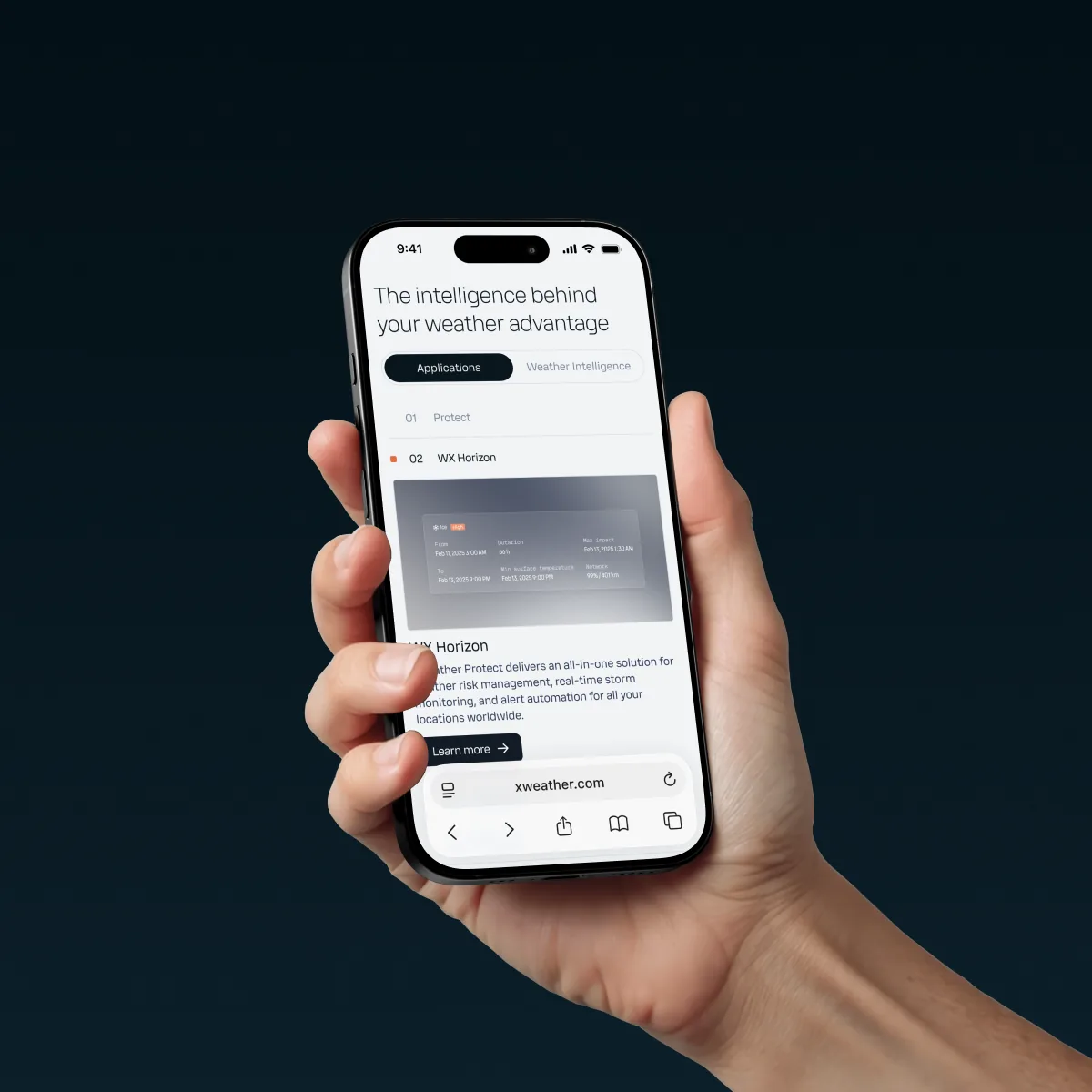
The Xweather site on a phone in hand
A wireframe globe over mountains in the clouds

The services behind the work

The enterprise website design covered research, information architecture, and product and developer pages. A website design system connected the Figma library to the modular site built by Focus Reactive.

More about this project

Habitat’s scope covered website information architecture, page design, a shared Figma design system, and motion. The development team handled development and the migration to Next.js and Storyblok. Its implementation includes 77 page-builder sections. The case describes the design work alongside the technical delivery by our development partner.

The legacy Xweather site had crawlability issues and a CMS that limited independent publishing. The development team replaced it with a server-rendered Next.js website and Storyblok’s visual editor. The redesign also addressed navigation and content structure, so the technical migration and the visitor experience developed together.

Storyblok’s published Xweather case lists a four-month implementation period. Habitat’s work covered research, information architecture, a website design system, page layouts, and motion. The development team implemented the website and migrated the content. The period covers implementation of the marketing website and its CMS.

The website design system brought reusable UI components, page layouts, visual styles, data visuals, and motion into a shared Figma library. It supported product, API, and developer-facing pages. The development team translated the design into a modular Storyblok implementation, giving editors reusable sections for maintaining and expanding the site.